The Birth of World-Renowned “Kona Coffee”
Kona Coffee, produced primarily in the Kona district of the Big Island of Hawaiʻi, is a world-class luxury brand often compared to Jamaican Blue Mountain. The rich history of Hawaii coffee cultivation is fascinating. How did this coffee, with its unique and delicate flavor, come to be grown in Hawaiʻi? The tale is a powerful narrative of immigrant dedication and the crucial decisions of an ancient chief.
Chapter 1: The Coffee Plant’s First Footing on Oʻahu
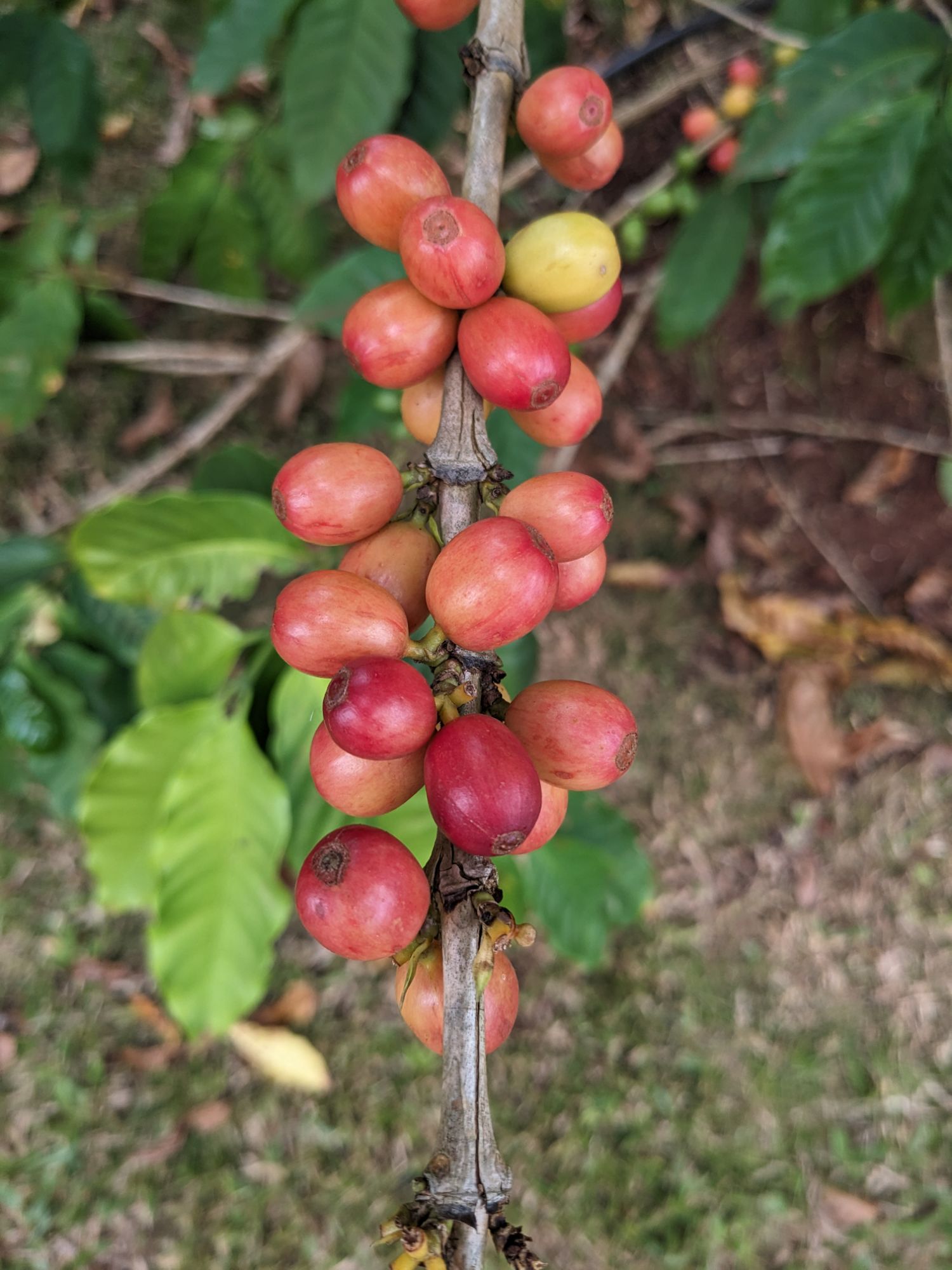
While Kona is the famous name, the actual introduction of coffee to the islands began on Oʻahu in the early 19th century.
The Origin: Chief Boki and the First Seedlings
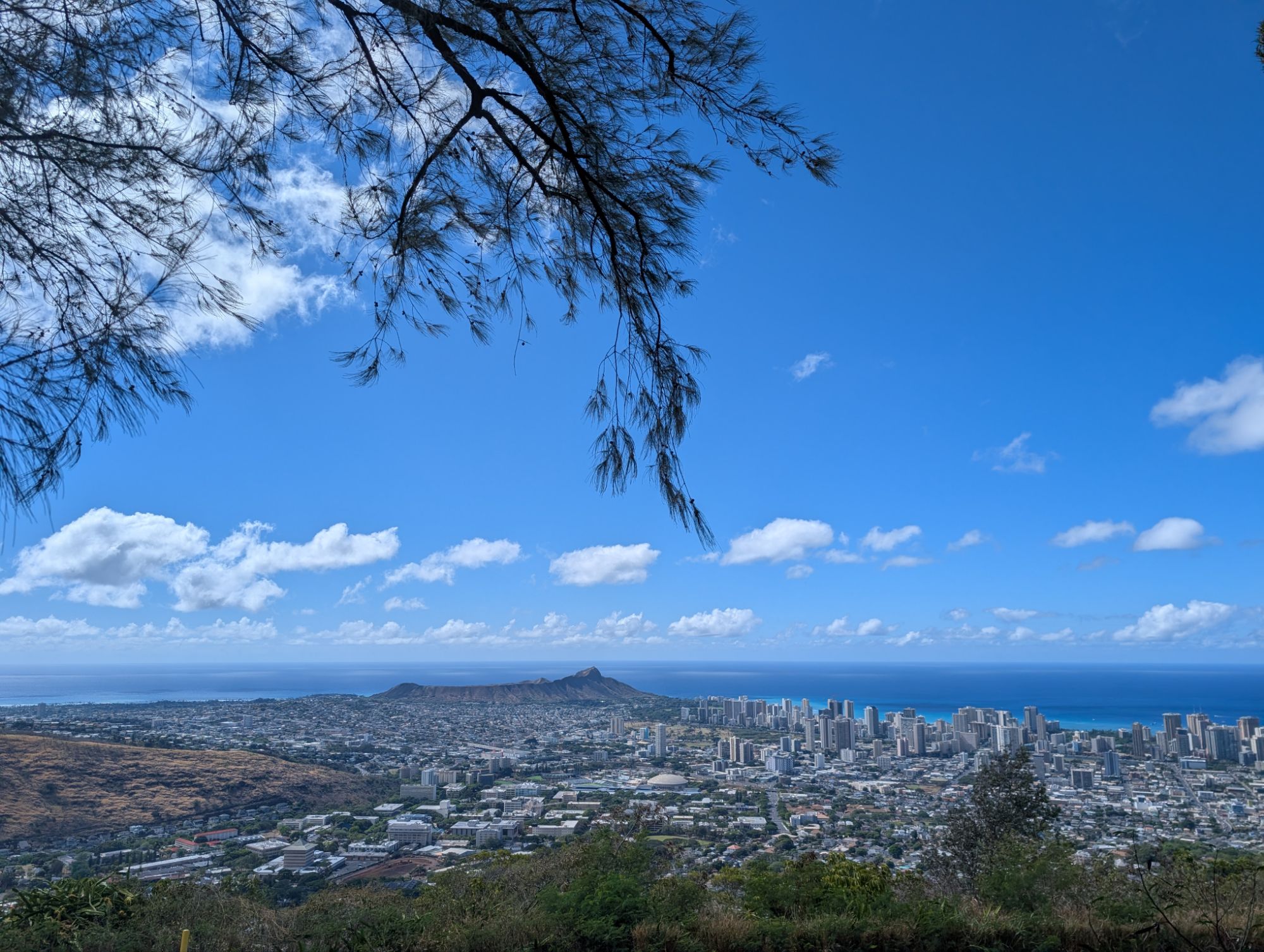
In 1825, Chief Boki (Governor of Oʻahu), brought Arabica coffee seedlings (the Typica variety) back from Brazil after accompanying the Hawaiian royal party on a visit to England. These first plants were established on his land in the Mānoa Valley near Honolulu, marking the direct origin of coffee in Hawaiʻi.

The Key to Kona: Samuel Ruggles
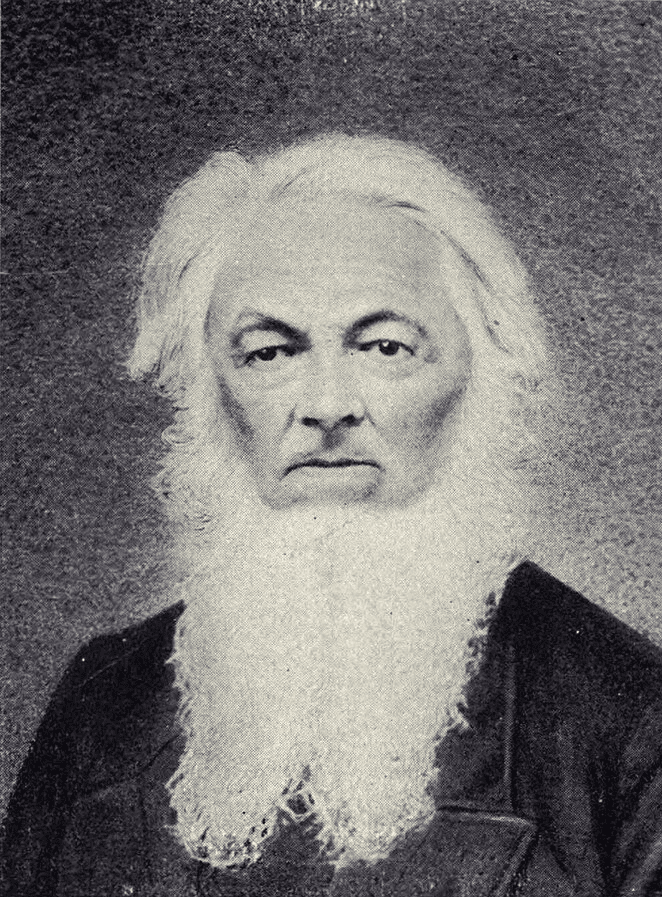
The coffee truly took root on the Big Island. In 1828, Samuel Ruggles, an American Protestant missionary, took cuttings from Boki’s Oʻahu plants when he was transferred to the Kona district.
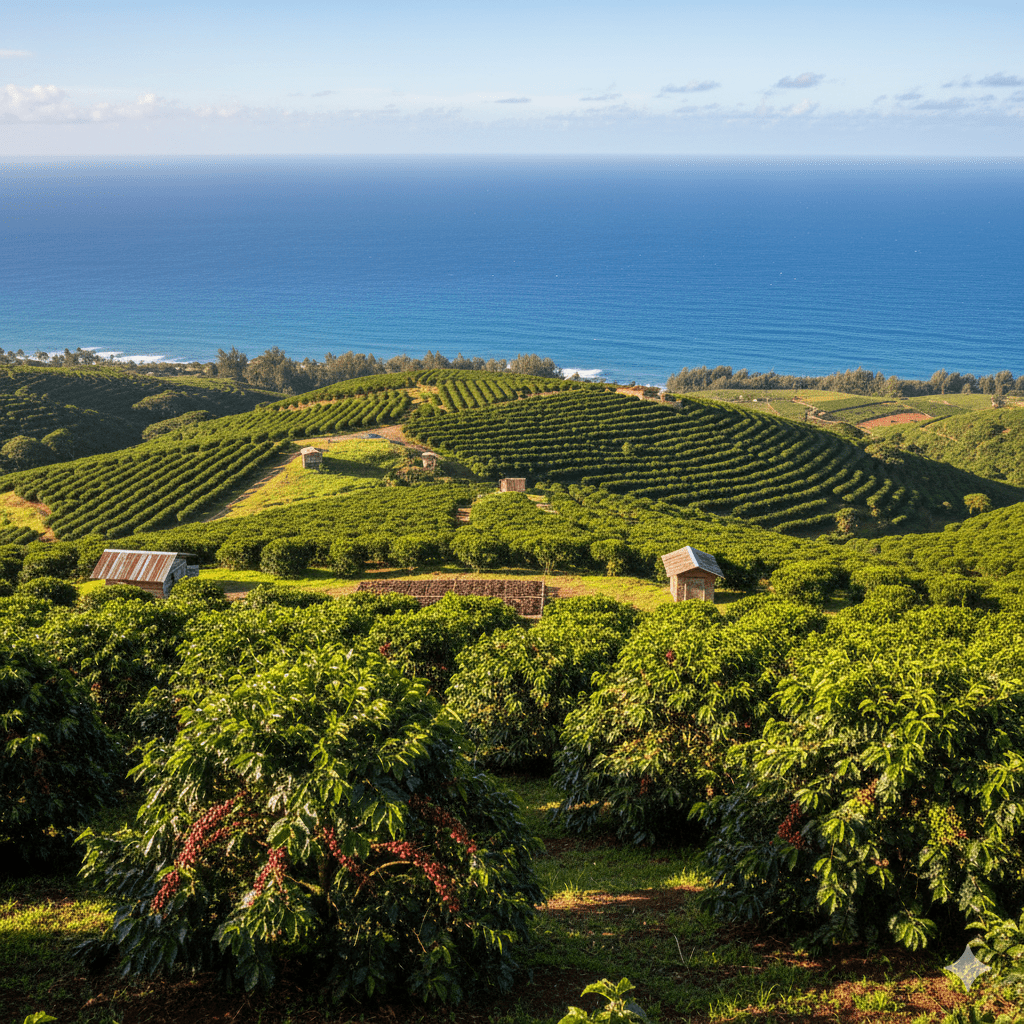
Ruggles discovered that the Kona region, with its fertile volcanic soil and unique microclimate of sunny mornings followed by misty, rainy afternoons, was perfectly suited for coffee cultivation. This act became the first step toward establishing the internationally recognized Kona coffee industry.
Chapter 2: Rise of the Large Plantations and Brand Establishment
By the mid-19th century, coffee cultivation commercialized, dominated by large-scale plantation systems backed by European and American capital.
The Source of Capital
The early plantation owners were mainly British and American merchants and investors. They financed their coffee ventures using the immense profits generated by the sugar cane industry, which dominated Hawaiʻi’s economy at the time. They owned vast tracts of land and leveraged their international trade networks and political influence to expand production.
The Man Who Made Kona Famous
Henry Nicholas Greenwell, an English merchant, was instrumental in developing the quality and branding of Kona coffee. In 1873, he exhibited Kona coffee at the Vienna World’s Fair, winning an award for excellence. This victory brought international recognition to the “Kona” name, setting the foundation for its status as a luxury brand.

Chapter 3: Contract Labor and Plantation Hardships
The success of the large plantations was built upon the sacrifices of contract laborers who emigrated from Asia and Europe.
Harsh Working Conditions
Many early Japanese immigrants, initially recruited for sugar cane fields, faced extremely harsh environments:
- Long Hours: Laborers typically worked 10 to 12 hours a day, performing physically demanding tasks with minimal breaks.
- Poor Housing: They lived in overcrowded and unsanitary barracks supplied by the plantation, where disease was common.
- Racial Discrimination: Overseers, known as luna, often used violence or threats. Workers faced severe discrimination, including ethnic-based wage gaps, and their lives were rigidly controlled by the plantation system.
Upon completing their contracts, many sought to leave the plantation system in pursuit of better living conditions and independence.
Chapter 4: The Great Crash of 1899
The late 19th century marked a critical turning point for the Hawaiian coffee industry.
The Crash and Plantation Collapse
In 1899, the global coffee market price plummeted due to a massive oversupply from Brazil. Simultaneously, Hawaiʻi’s annexation by the United States removed tariffs, making the sugar cane industry far more profitable.
Unable to compete, European and American plantation owners began abandoning their coffee farms. This led to the near-total disappearance of coffee cultivation outside of the Kona district.
The Structural Shift: Tenant Farming
The crisis, however, paved the way for Kona’s unique system. To maintain their properties, the departing plantation owners divided the land into small parcels (3–12 acres) and leased them to their former contract laborers. This was the tenant farming system (known in Japanese as bunchi kosaku seido).
Chapter 5: Japanese Immigrants Preserve Kona’s Legacy
The Japanese immigrants who had endured the brutal conditions of the plantations became the saviors and guardians of the Kona coffee tradition.
Taking Over the Industry
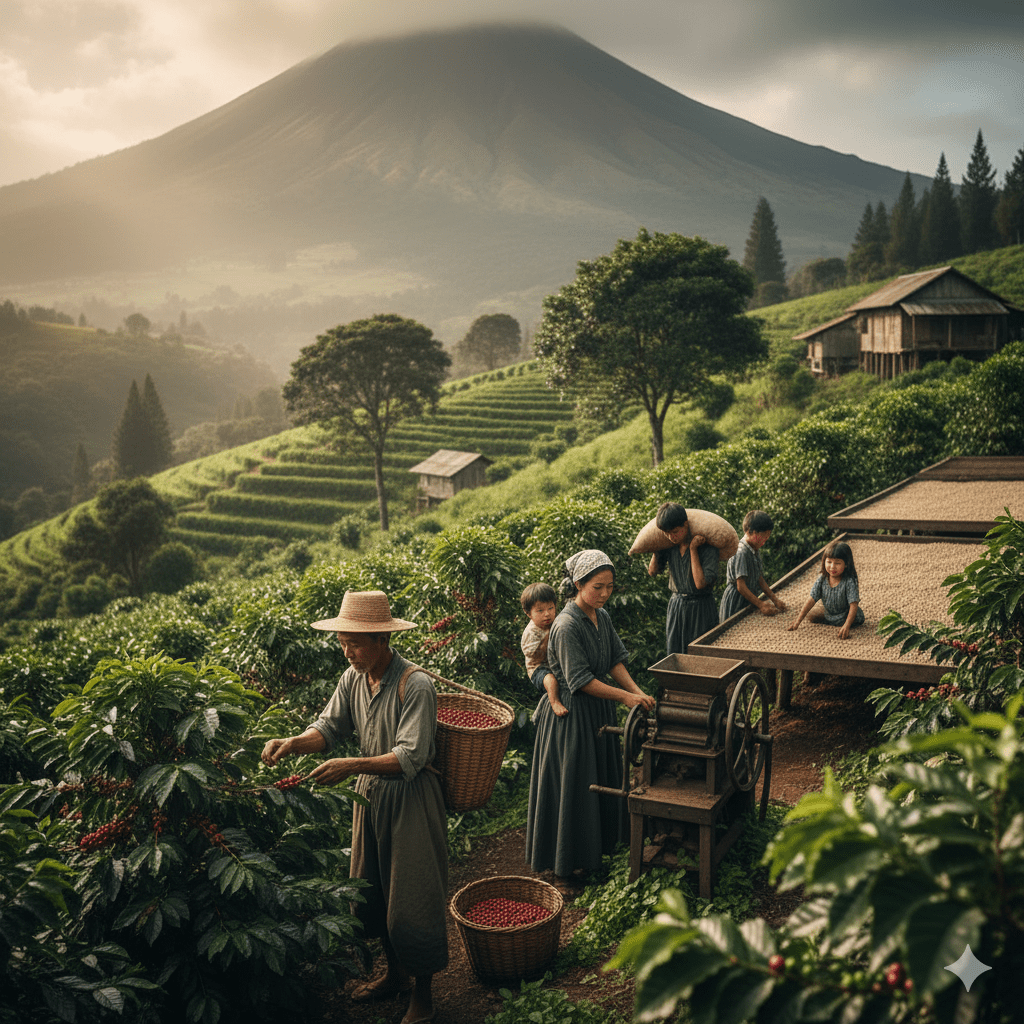
Seeking independence and land, these resilient immigrants streamed into Kona, embracing the tenant farming system as a chance for self-sufficiency.
- Small-Scale Family Farms: Utilizing their whole family, they committed to the labor-intensive process of hand-picking (required for the best quality) and maintained high production standards, a practice that defines Kona coffee to this day.
- The Overwhelming Majority: By around 1910, approximately 80% of all coffee farms in the Kona district were managed by Japanese immigrant families, securing the industry’s survival.
- Rise to Ownership: Many immigrant families, through sheer hard work and saving, transitioned from tenant farmers to owner-farmers, acquiring the land they cultivated and establishing the multi-generational farming tradition that sustains Kona coffee today.
Figures like Daisaku Uchida, whose preserved farm is now the Kona Coffee Living History Farm, symbolize the enduring effort and resilience of the immigrant community that established Kona coffee as a symbol of quality and heritage.
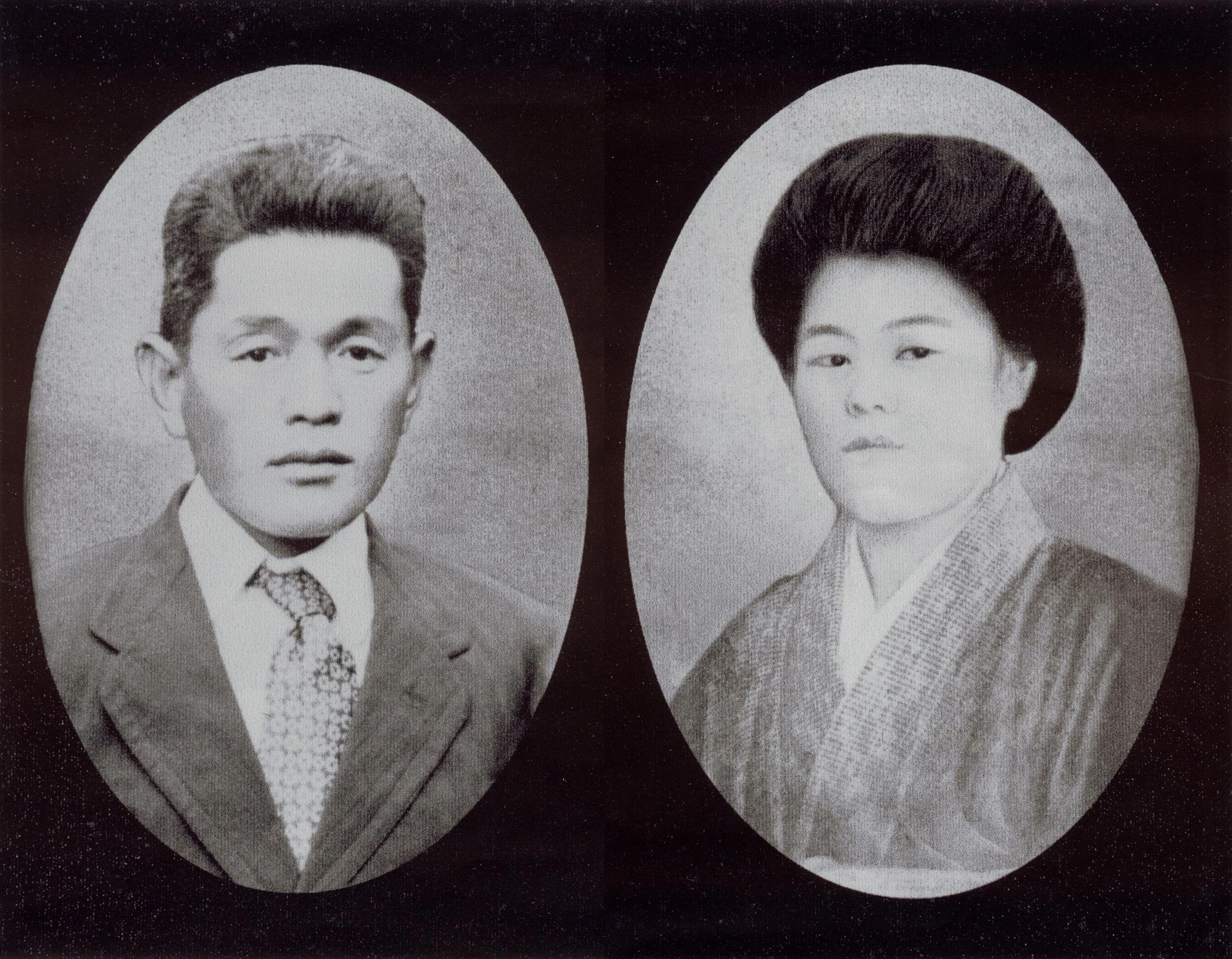
The history of Hawaiian coffee is a powerful narrative of resilience, cultural preservation, and the dedicated pursuit of excellence in the face of immense challenges.
References: The History of Coffee in Hawaiʻi
The following list provides academic and historical sources for further reading on the development of the coffee industry and the role of Japanese immigrants in Hawaiʻi.
Books and Monographs
Beechert, E. D. (1985). Working in Hawaii: A Labor History. University of Hawaii Press.
Crawford, D. L. (1937). Hawaii’s Crop Parade. Advertiser Publishing Co.
Kinro, G. (2003). A Cup of Aloha: The History of Coffee in Hawaii. University of Hawaii Press.
Ogawa, D. M. (1978). Kodomo No Tame Ni: For the Sake of the Children. University of Hawaii Press.
Okihiro, G. Y. (1991). Cane Fires: The Anti-Japanese Movement in Hawaii, 1865-1945. Temple University Press.
Steiman, S. (2008). The Hawaii Coffee Book: A Gourmet’s Guide to Styles, Brews, and Roasts. Watermark Publishing.
Historical Records and Institutional Publications
Kona Historical Society. (1997). A Guide to the Kona Coffee Living History Farm. Kona Historical Society.
Thrum, T. G. (Ed.). (n.d.). Hawaiian Almanac and Annual (Multiple editions). Advertiser Publishing Co.
Digital Archives and Research Resources
Kona Historical Society. (n.d.). Kona Historical Society. https://konahistorical.org/
University of Hawaiʻi at Mānoa Library. (n.d.). Hawaiian Collection. https://www.google.com/search?q=https://library.manoa.hawaii.edu/departments/hawaiian/