Introduction: The Soul of the North Pacific
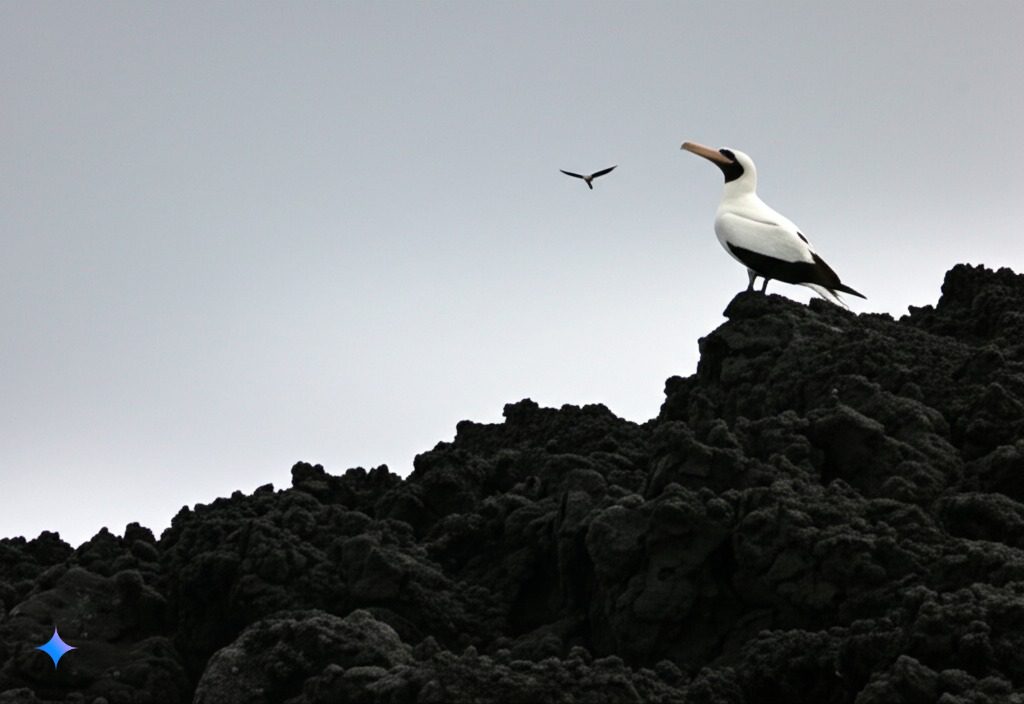
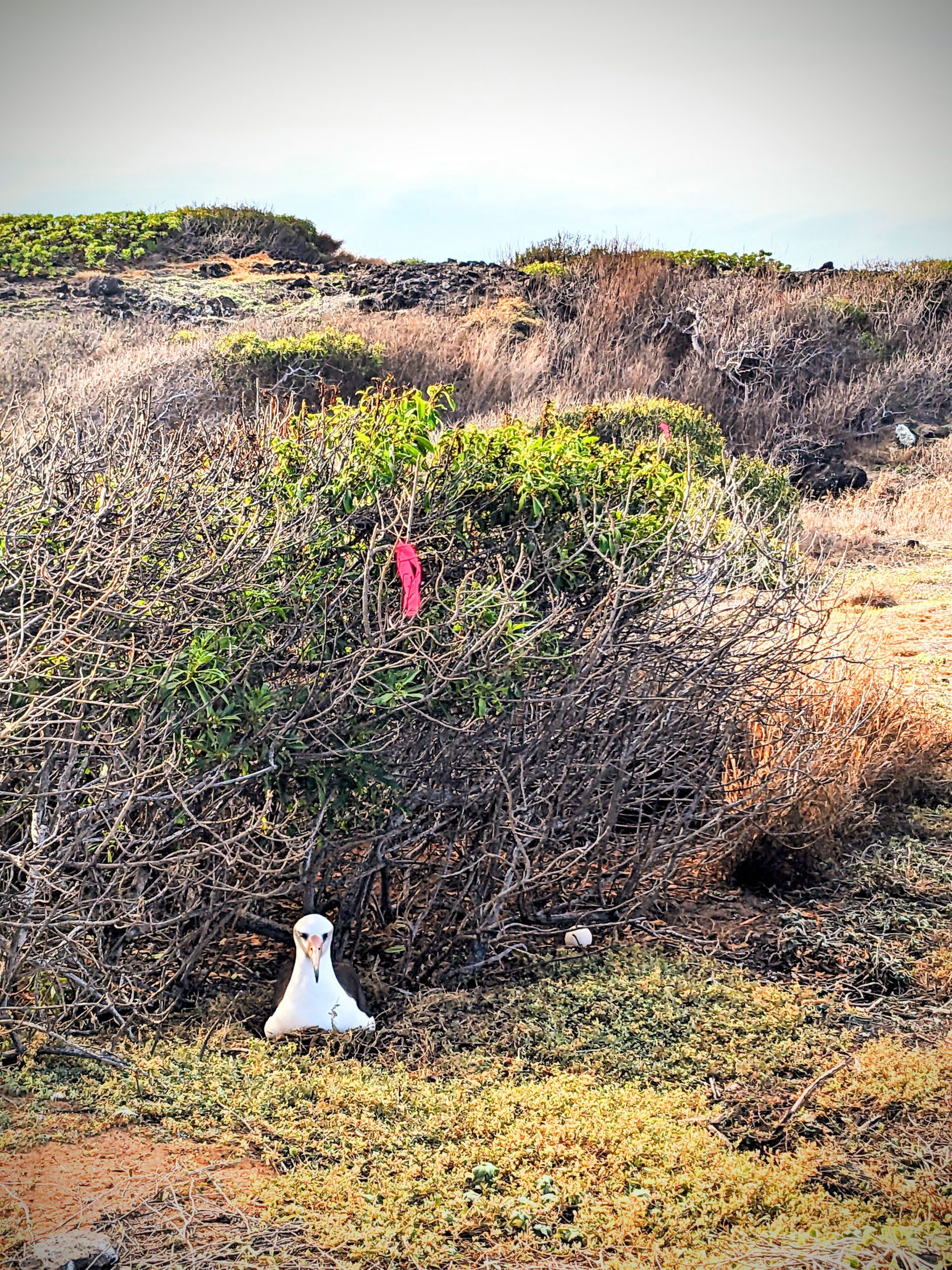
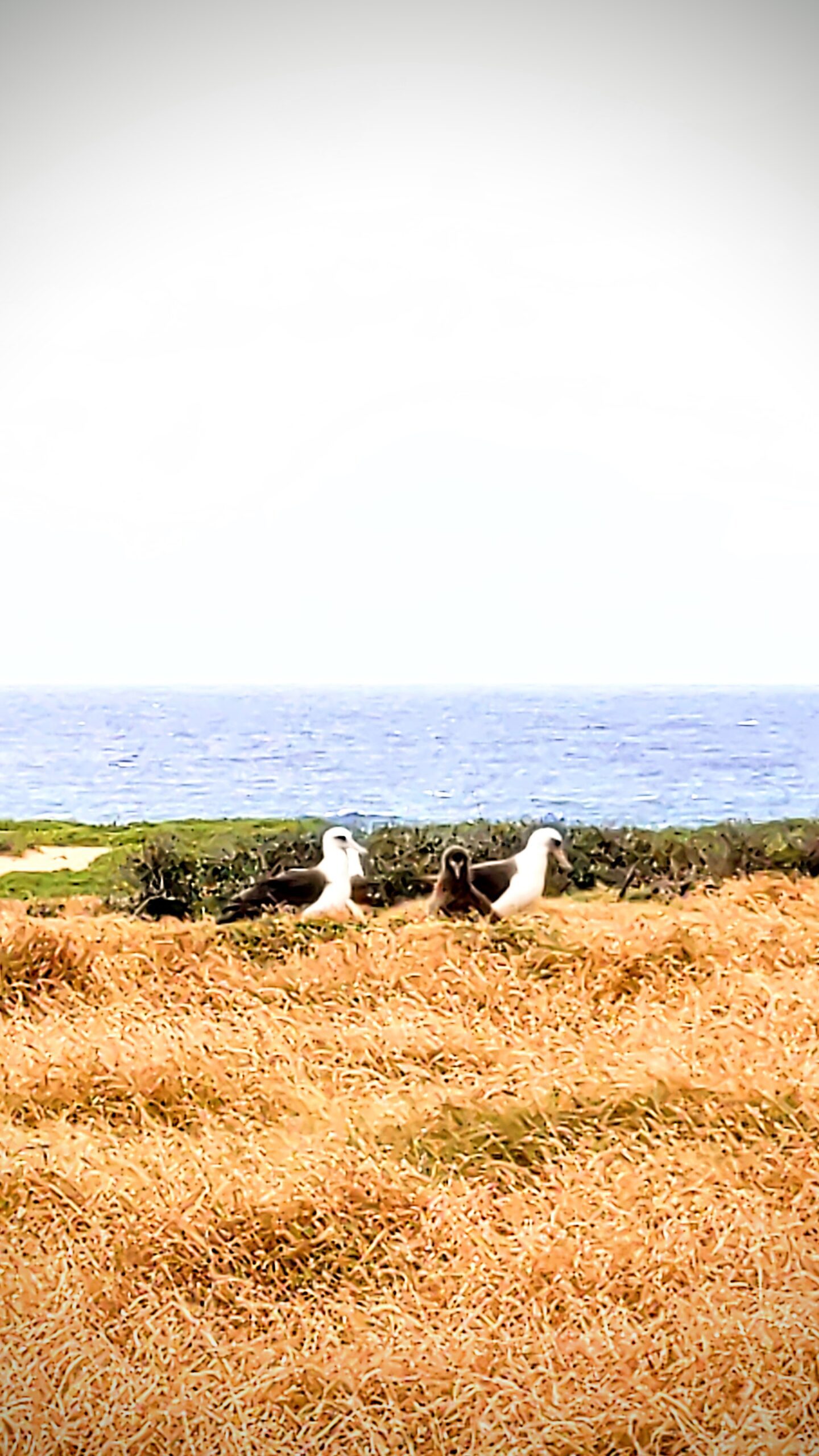
The Laysan Albatross (Phoebastria immutabilis), known in Hawaiian as Mōlī, is far more than a seabird. With a lifespan exceeding six decades and an expansive wingspan that carries them across the entire North Pacific, they are biological sentinels of our ocean’s health. While their primary sanctuary remains the remote Northwestern Hawaiian Islands (NWHI), their history is a poignant reflection of human impact—and, more recently, our capacity for restorative justice.
A Century of Plunder: The Era of Feather Hunting
At the dawn of the 20th century, the Mōlī faced a near-extinction event driven by global commercial greed. The “Feather Rush” saw millions of birds slaughtered for the international millinery and bedding industries.
- The Japanese Exploitation: During the Meiji era, Japanese “feather hunters” expanded deep into the NWHI. Operating with industrial efficiency, these expeditions viewed the albatross as a limitless resource for export, contributing to a massive decline in populations on Laysan and Lisianski Islands.
- The American Extraction: Simultaneously, American interests exploited the islands for guano and plumage. The lack of regulation in these remote territories allowed for an ecological vacuum where economic gain far outweighed conservation.
The Roosevelt Intervention: A Turning Point in Conservation
The carnage reached such heights that it prompted one of the first major environmental actions in U.S. history. In 1909, President Theodore Roosevelt established the Hawaiian Islands Bird Reservation. This executive order was a landmark moment, signaling a shift from viewing the Pacific as a mere extraction zone to a heritage site requiring federal protection. This laid the groundwork for what is now the Papahānaumokuākea Marine National Monument.
Urbanization and the Modern Crisis
As Hawaii transitioned into a modern hub, the challenges for the Mōlī evolved from direct hunting to indirect environmental pressures.
- Infrastructure and Fallout: In islands like Kauai and Oahu, urban sprawl introduced Light Pollution. Fledglings, which navigate by the moon and stars, often become disoriented by artificial city lights—a phenomenon known as “fallout”—leading to fatal collisions or exhaustion.
- The Legacy of Lead: In former military outposts like Midway, the birds face a silent killer: Lead Poisoning. Decades-old lead-based paint from aging structures flakes into the soil, where chicks ingest it, causing neurological failure.
Climate Adaptation: The High-Ground Strategy
The most existential threat today is Sea Level Rise. With over 90% of the population nesting on low-lying atolls just meters above sea level, the Mōlī are at risk of losing their ancestral homes to the rising tide.
To counter this, a bold “Urban-Natural Integration” strategy is underway. Conservationists are utilizing Assisted Colonization, relocating chicks to “high islands” like Oahu. By hand-rearing chicks at sites like the James Campbell National Wildlife Refuge, scientists are “imprinting” these birds on higher, safer ground.
The Kaʻena Point Case Study: A Model for the World
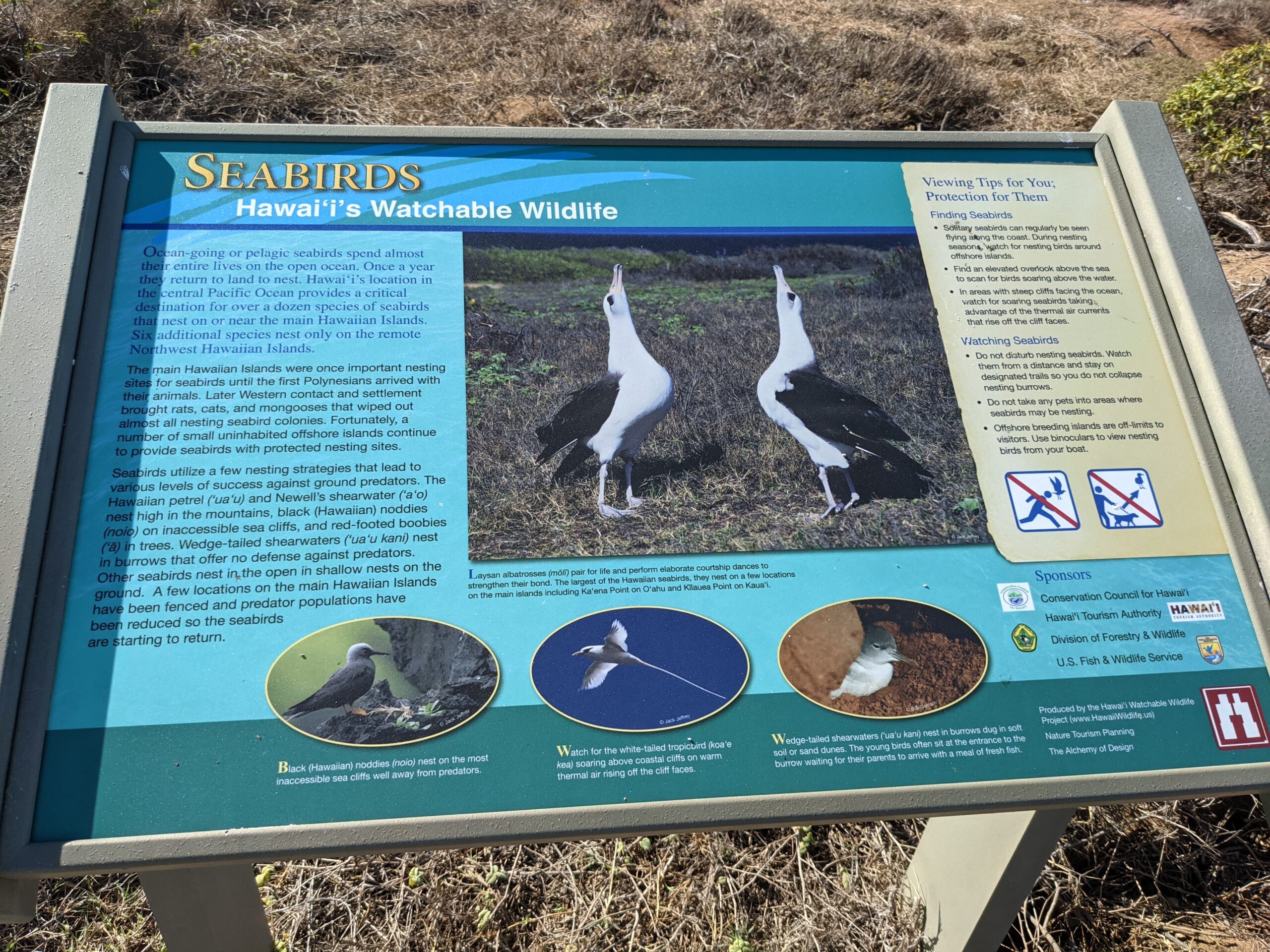
The success at Kaʻena Point, Oahu, serves as a global gold standard. By installing a sophisticated, predator-proof fence, Hawaii has created a “mainland island”—a sanctuary protected from invasive predators like mongooses and feral cats. This project demonstrates that urban-adjacent areas can serve as vital refuges for endangered species when supported by rigorous civil engineering and community willpower.
Conclusion: Writing the Next Chapter
The story of the Laysan Albatross is a testament to the fact that extinction is a choice, but so is recovery. As we look toward the future, the survival of the Mōlī depends on our ability to design cities that respect the sky and manage lands that honor the sea.
References (APA Style)
- Arata, J. A., Sievert, P. R., & Naughton, M. B. (2009). Status assessment of Laysan and Black-footed Albatrosses, North Pacific Ocean, 1923-2005. U.S. Geological Survey Scientific Investigations Report 2009-5131.
- Flint, E. (2023). History of albatross conservation in the Northwestern Hawaiian Islands. U.S. Fish and Wildlife Service.
- National Oceanic and Atmospheric Administration (NOAA). (2024). Papahānaumokuākea Marine National Monument: Management and history. U.S. Department of Commerce.
- Pyle, R. L., & Pyle, P. (2017). The birds of the Hawaiian Islands: Occurrence, history, distribution, and status. B.P. Bishop Museum, Honolulu, HI, U.S.A.
- VanderWerf, E. A., & Young, L. C. (2011). Estimating survival and population growth of Laysan Albatrosses (Phoebastria immutabilis) on Oahu, Hawaii, with implications for managing translocation. Waterbirds, 34(3), 323–331. https://doi.org/10.1675/063.034.0307
Personal Reflection: Echoes of the Past, Hopes for the Future
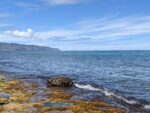
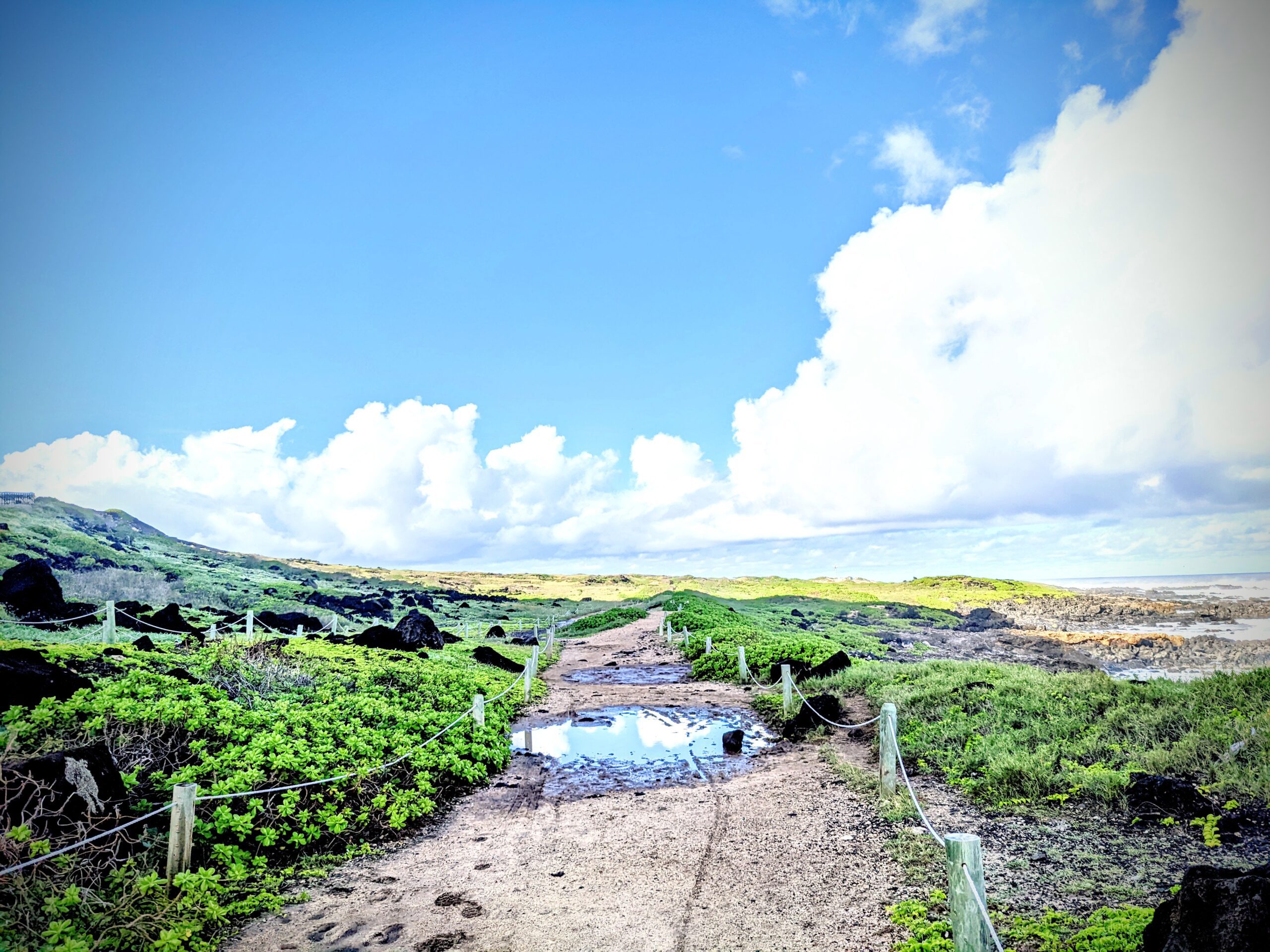
Whenever winter arrives in Hawaii, I find myself drawn to the rugged beauty of Kaʻena Point. The hour-long hike along the coastline leads to a sanctuary where the Mōlī (Laysan Albatross) return to nest. It is a place where time seems to fold in on itself.
As I walk, I often notice the weathered remnants of the 19th-century railway scattered along the trail. These tracks are silent witnesses to the plantation era, a time when humanity pushed across the Pacific in a relentless pursuit of wealth. In that century, “prosperity” often came at a devastating cost. Driven by the dreams of a “feather rush,” men ventured to the furthest reaches of the Pacific, hunting seabirds to the brink of extinction for profit.
Reflecting on this modern history is sobering. Between urban sprawl and the accelerating crisis of climate change, we have lost count of the species that have vanished from our world forever.
Standing at the point today, watching the albatross soar, I am reminded that this view is not a coincidence. It is the result of the tireless, unwavering efforts of those who came before us—conservationists who fought to stop the slaughter and restore the land. We are witnessing a living legacy of preservation.
My deepest wish is to support these conservation efforts in any way I can. I want our children to be able to stand where I stand—to feel the winter wind, to witness the majesty of the Mōlī, and to experience the same vibrant, natural world that we are privileged to see today. We owe it to the next generation to ensure that this landscape remains not just a memory, but a living, breathing reality.