1. The Concept of the “Surf Bum”
The term “surf bum” was originally used as a disdainful phrase by non-surfers to describe those who prioritized wave-riding over societal norms, but it was quickly adopted by surfers themselves with a sense of humor, affection, and irony. This lifestyle was famously encapsulated by the character Kahuna in the 1959 movie Gidget, who described his life as “ride the waves, eat, sleep, not a care in the world”. Early iconic surfers were often viewed as anti-establishment rebels who rejected mainstream affiliations and the conventional pursuit of wealth to maintain their freedom.
2. Historical Context and Lifestyle
The surf subculture gained massive popularity during the 1960s and 1970s, a period marked by a cultural revolution and widespread disillusionment with modern science, technology, and authoritative bodies. For many young people, surfing provided an escape from the rigid expectations of mainstream society and an alternative way to express their identity. The release of the 1966 documentary The Endless Summer helped give birth to the global “surf-and-travel” culture, encouraging surfers to wander the globe in search of perfect, uncrowded waves. Today, this spirit lives on in modern “surf nomads” who travel in customized vans, carefully planning their lives around swell windows and tide charts, while prioritizing simple meals, remote work, and a minimal footprint.
3. The Commercialization and Transformation of Surfing
While early surfers actively resisted commercialization, prioritizing self-sufficiency and anti-establishment values, the subculture underwent a period of hyper-commodification beginning in the late 1970s. The surfing aesthetic was appropriated by the mainstream market, and the introduction of corporate sponsorships transformed the once-rebellious activity into a professionalized global industry. Furthermore, technological advancements—such as the invention of the shortboard (“thruster”) and leg-ropes—shifted the surfing experience from a collective “buddy system” to a highly individualized pursuit focused on aggressive “power surfing”.
4. Sustainability and Environmental Consciousness
Despite the commercialization of the sport, surfers have consistently maintained a deep, phenomenological connection to the ocean, often referring to it as the “Wild”. This intimate daily interaction with nature fosters a strong “place identity” and a profound sense of humility, which frequently translates into active environmentalism. Studies utilizing the New Ecological Paradigm (NEP) scale have shown that surfers demonstrate significantly higher levels of environmental consciousness compared to non-surfers, particularly in their understanding of the fragility of nature’s balance and the possibility of ecological crises. Modern surf nomads and local communities embody this philosophy by practicing “leave no trace” ethics and organizing beach cleanups.
5. Hawaii’s Transition to Regenerative Tourism and the Green Fee
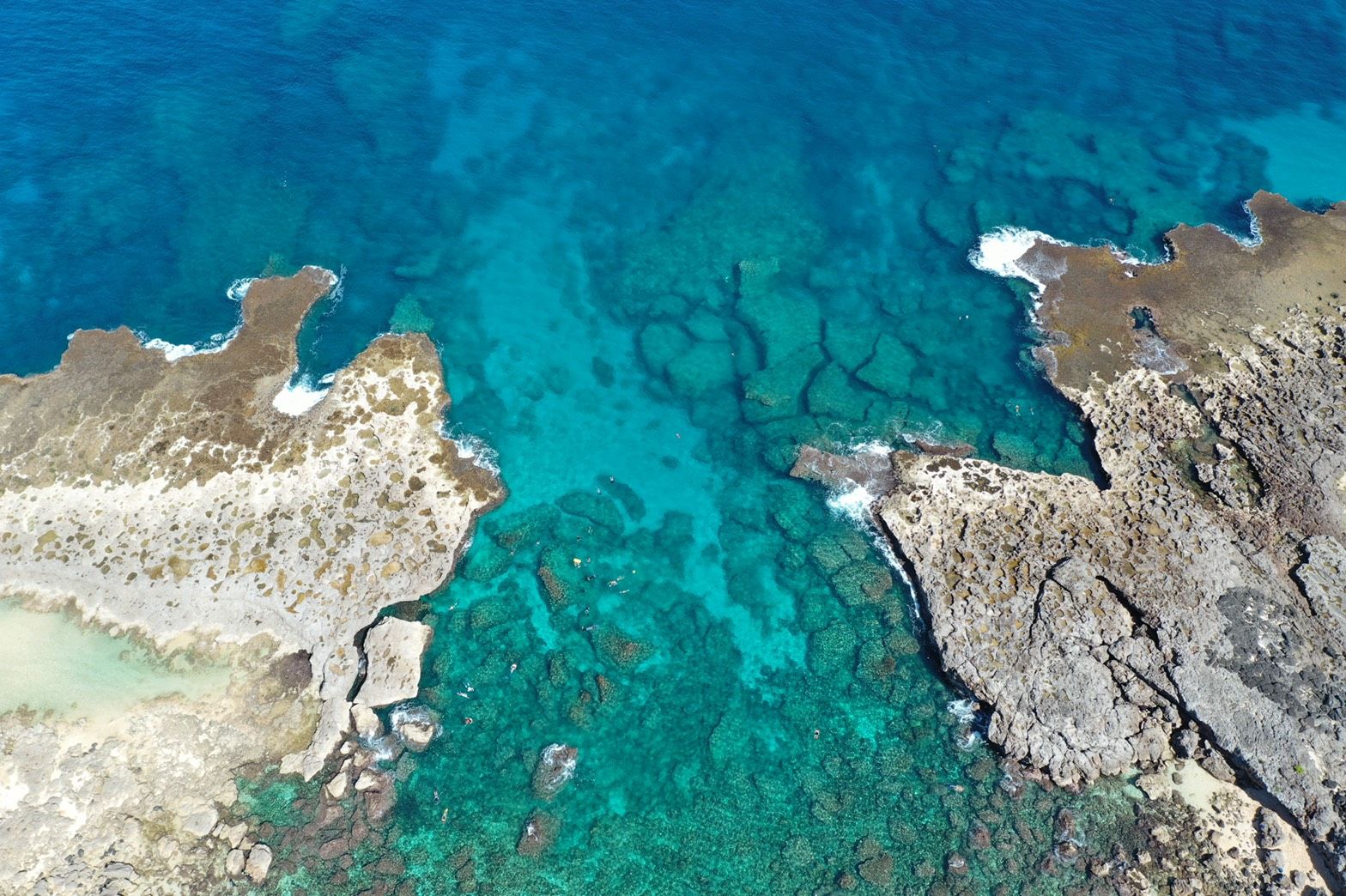
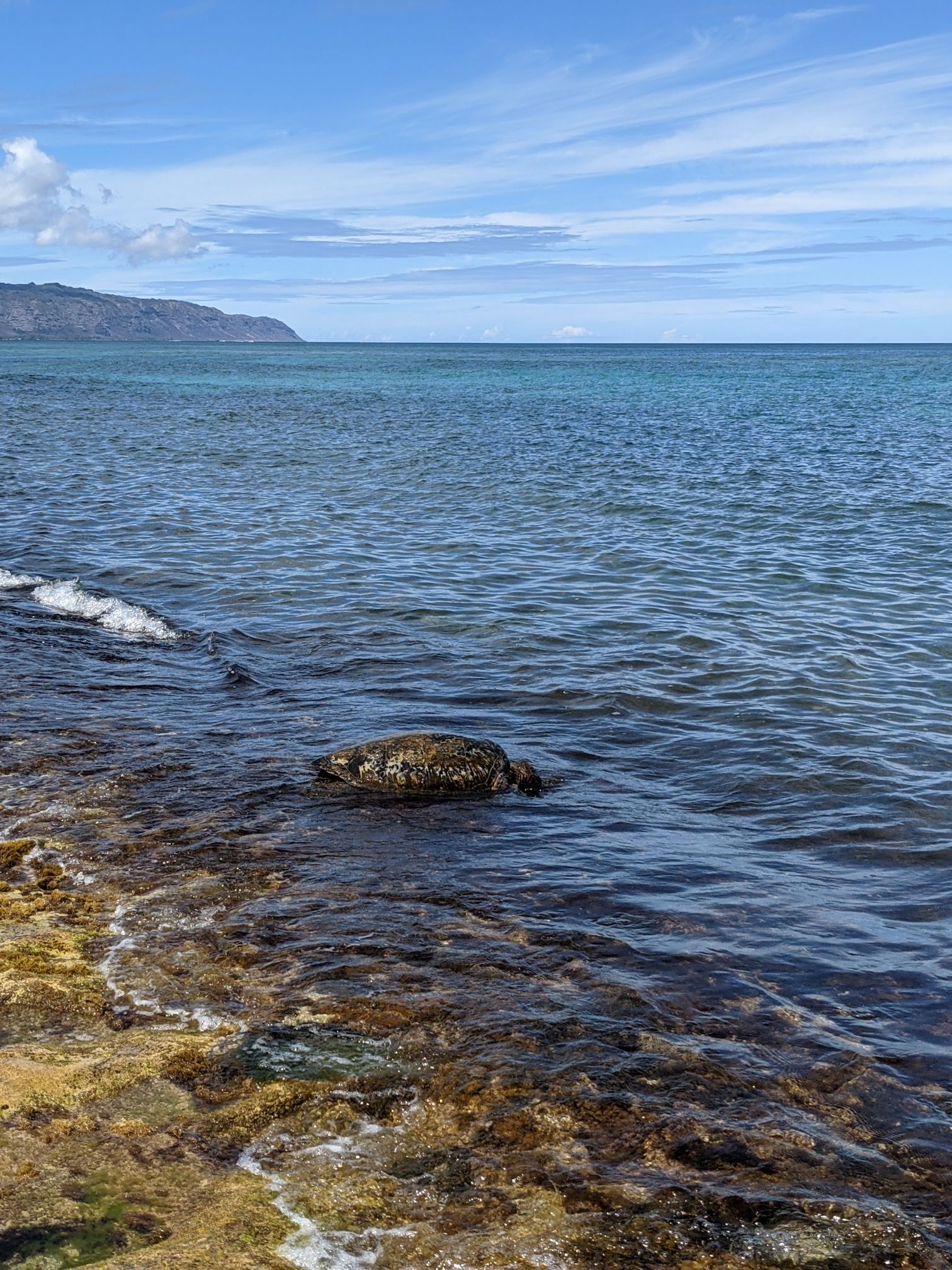
In places like Hawaii, the global popularization of surfing and mass tourism has led to severe environmental degradation, including sunscreen-poisoned coral reefs, trampled ecosystems, and a heightened vulnerability to climate change impacts like wildfires and coastal erosion. To combat these issues and protect the natural resources that the tourism industry relies upon, Hawaii passed Act 96 (Senate Bill 1396) in 2025, establishing the nation’s first climate impact fee, known as the “Green Fee”.
Starting January 1, 2026, the Green Fee will implement a 0.75% increase to the state’s Transient Accommodations Tax (TAT), which will also apply equitably to cruise ships. This fee is projected to generate approximately $100 million annually. The revenue will be strategically invested into three main categories: environmental stewardship, climate and hazard resilience, and sustainable tourism. Specific projects include community-led coral reef restoration, the expansion of the Makai Watch program for marine enforcement, invasive species removal, and wildfire risk reduction efforts. By leveraging visitor dollars to fund these conservation initiatives, Hawaii is actively shifting its economic model from extractive mass tourism to a “Resilient Symbiosis,” ensuring that the islands’ ecological and cultural heritage is preserved for future generations.
References
Adams, V. (2025). All you need to know about Hawaii’s new green tax for tourists. Earth.Org.
Aloha Hawaiian Vacations. (n.d.). Hawaii’s new “Green Fee” – What visitors should know about the tourist tax coming in 2026.
Chapman, S. (2024). Hawaiʻi’s tourism tax for climate change – And where it should go next. Glimpse from the Globe.
Encyclopedia of Surfing. (n.d.). Surf bum.
Green Fee Advisory Council. (2026). Year 1 funding recommendations report. State of Hawaii.
Jones, D. (2017). History of surfing: Miki Dora’s final Q&A. SURFER Magazine.
Mass, A. (2006). The development of environmental consciousness and identity in surfing subculture [Independent Study Project, SIT Study Abroad]. SIT Digital Collections.
Office of the Governor. (2025). Gov. Green signs historic Senate Bill 1396 codifying a Green Fee to mitigate climate impacts in Hawai‘i. State of Hawaii.
OZK Customs. (n.d.). Surf nomad lifestyle guide.
Pallett-Wiesel, K. (2026). Over tourism: Native Hawaiians pay the price. Catalyst.
Sasaki, M. (2026). The Hawaii paradox: The path to resilient symbiosis — Protecting our “engine” to build our future. Wildlife Hawaii.
Stedman, L. (1997). From Gidget to Gonad Man: Surfers, feminists and postmodernisation. Australian and New Zealand Journal of Sociology, 33(1), 76-90.
Wikipedia contributors. (n.d.). The Endless Summer. In Wikipedia, The Free Encyclopedia.Yu, P. (2026). Economic development in Hawai‘i: Building a resilient and innovative island economy. Springer Nature Switzerland.
Author’s Reflections: Living with the Ocean in Hawaiʻi
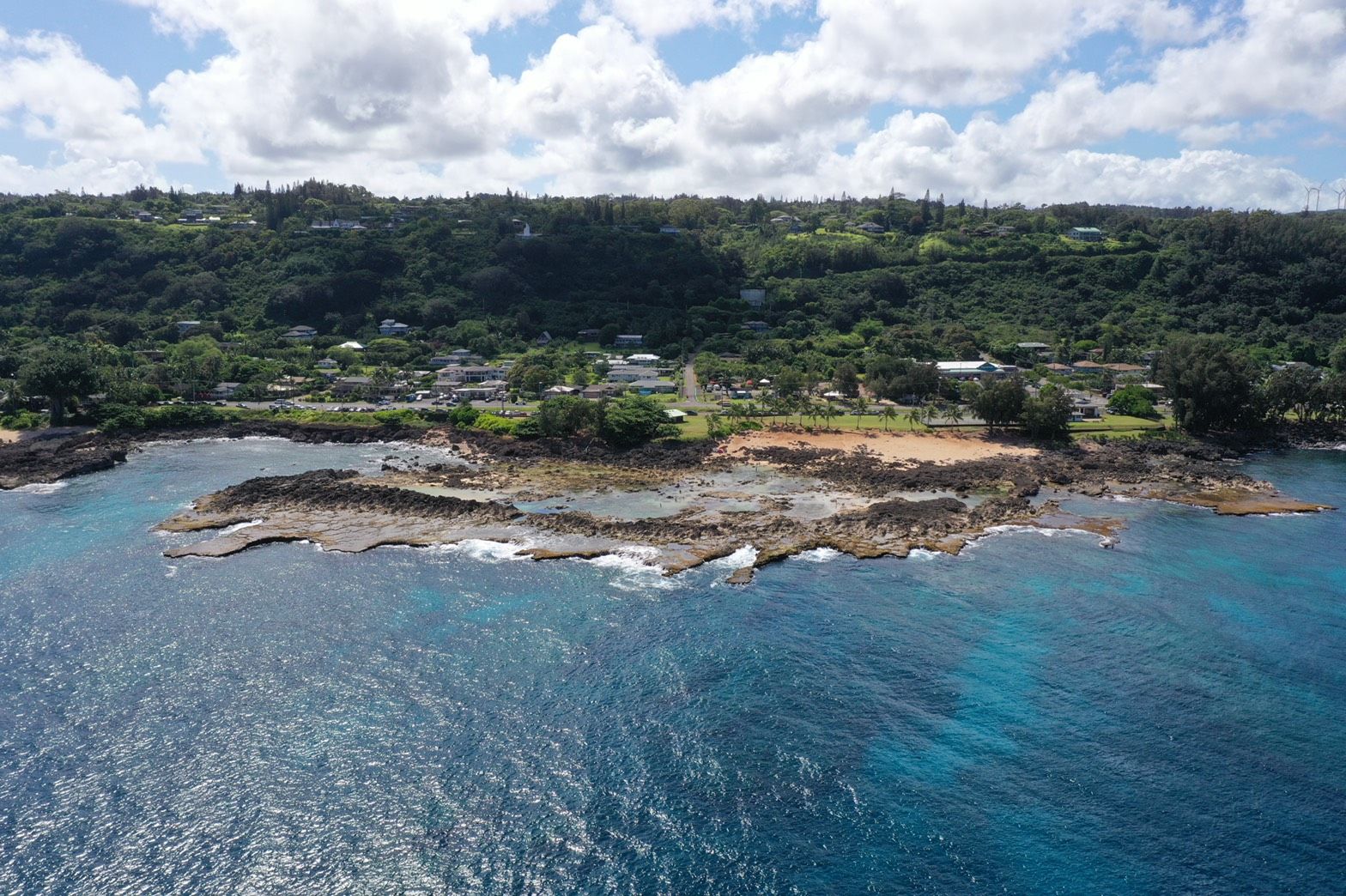
As a surfer myself, living and breathing the culture here in Hawaiʻi—the birthplace of surfing—I feel its deep roots in every aspect of daily life. Surfing here is far more than just a leisure activity or a lifestyle; it is the very heartbeat of our community.
The “surf culture” in Hawaiʻi has an incredibly broad reach. It encompasses everyone from those who surf purely for the love of the waves to those who have built their careers within this ecosystem. From the dedicated lifeguards and surf instructors to the local surf shops, global brands, the hospitality industry, and the organizers of world-class competitions—the scale of this culture is immense.
People from all over the world are drawn to Hawaiʻi, inspired by the iconic imagery of our waves and the spirit of surfing. This global connection places a profound responsibility on us to protect what we love. To ensure this culture thrives for generations to come, we must bridge the evolution of surfing with active beach conservation and sustainability efforts.
Through this platform and the work at Wildlifehawaii.com, I am committed to sharing insights through the lens of Sustainable Tourism. My goal is to provide authentic information that helps us move toward a future where tourism not only preserves but actively regenerates the natural beauty and cultural heritage of Hawaiʻi.