Author: Masahito sasaki

The author holds a Master’s degree in Urban and Regional Policy and has professional experience spanning civil engineering consultancy, academic research in regional conflict and peacebuilding, and project management in urban planning non-profit organizations. He currently leads Wildlife Hawaii, integrating applied research, technical expertise, and operational experience to support evidence-based sustainable tourism and urban resilience initiatives in Hawaii.
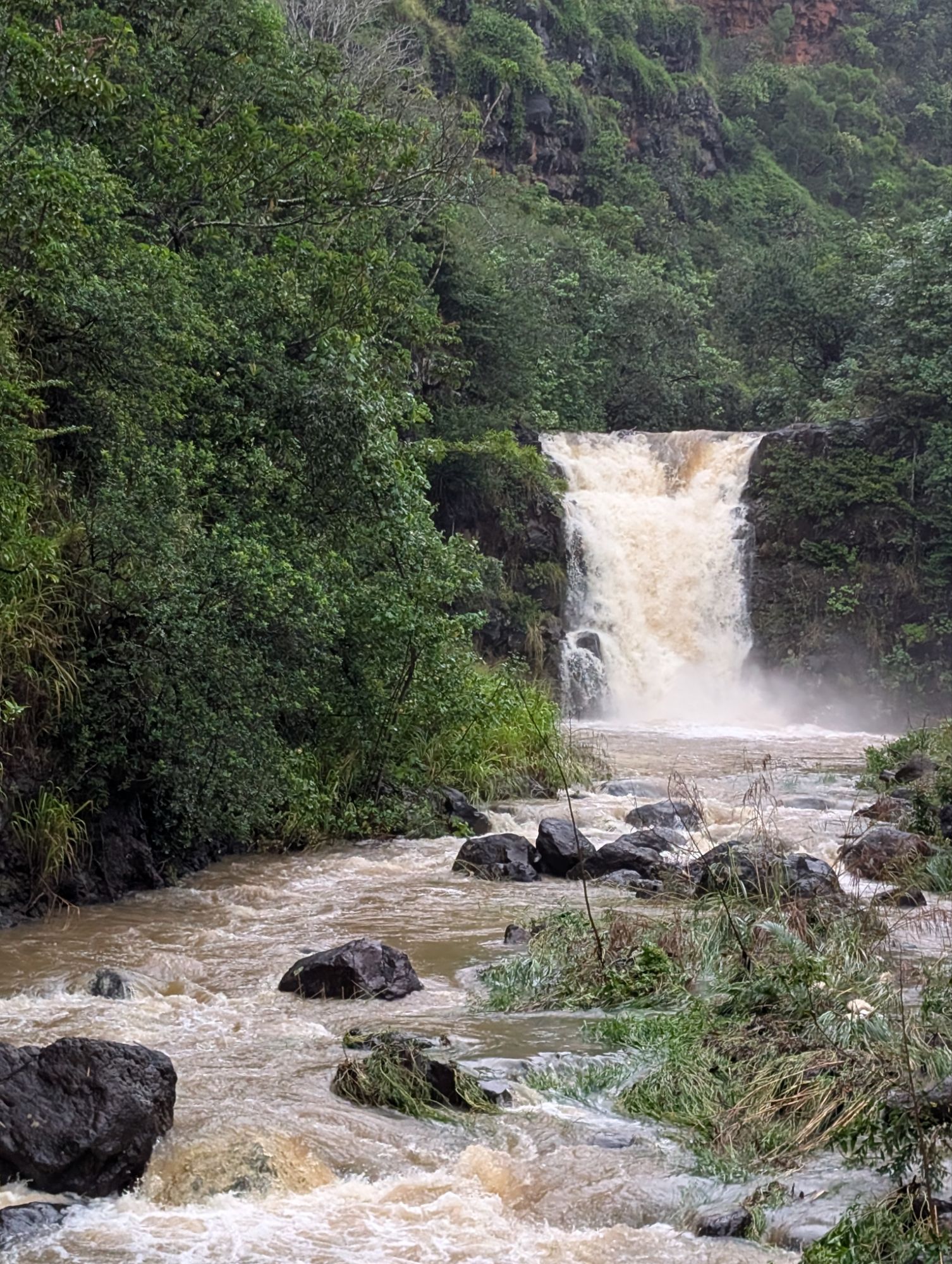
Waimea falls

Urban Planning Report: Where Does Our Water Come From?Urban Planning Report: Where Does Our Water Come From?

—— Geological Endowments and the Correlation of Urban Infrastructure in Sustaining Oahu’s “Ka Wai Ola” —— 1. Introduction: The “Water Imbalance” of an Island City Oahu exists within an extreme microclimate, where annual rainfall varies from 500 mm in arid zones to over 7,000 mm


moli

The Resilience of the Mōlī: A Tale of Exploitation, Restoration, and the Future of Urban CoexistenceThe Resilience of the Mōlī: A Tale of Exploitation, Restoration, and the Future of Urban Coexistence

Introduction: The Soul of the North Pacific The Laysan Albatross (Phoebastria immutabilis), known in Hawaiian as Mōlī, is far more than a seabird. With a lifespan exceeding six decades and an expansive wingspan that carries them across the entire North Pacific, they are biological sentinels

The Intersection of Urban Planning and Conservation: The Case of the Hawaiian Monk SealThe Intersection of Urban Planning and Conservation: The Case of the Hawaiian Monk Seal

1. Introduction The Hawaiian monk seal (Neomonachus schauinslandi), one of the most endangered marine mammals in the world, serves as a critical indicator of the health of the Hawaiian archipelago’s ecosystem. While historically driven to the brink of extinction by commercial hunting, the species has

Title: A Century of Greenery: The Origins of Honolulu’s Strategic Street Tree PlanningTitle: A Century of Greenery: The Origins of Honolulu’s Strategic Street Tree Planning

Introduction The towering palm trees and vibrant shower trees that define Honolulu’s skyline are more than just natural beauty—they are the result of over a century of meticulous urban planning. For those of us living and working in Hawaii, these “street trees” provide essential shade

Data-Driven Insights: Hawaii’s 2026 Economy and the Impact of the K-Shaped Recovery on the Tourism IndustryData-Driven Insights: Hawaii’s 2026 Economy and the Impact of the K-Shaped Recovery on the Tourism Industry

1. Pre-Pandemic Era: The Stability of a Middle-Class Driven Market (Until 2019) Until 2019, the Hawaiian economy was sustained by a “Mass Tourism” model, primarily driven by the middle-income demographic from the U.S. mainland and Japan. 2. Post-Pandemic Reality: The Deepening “K-Shaped Recovery” by Income