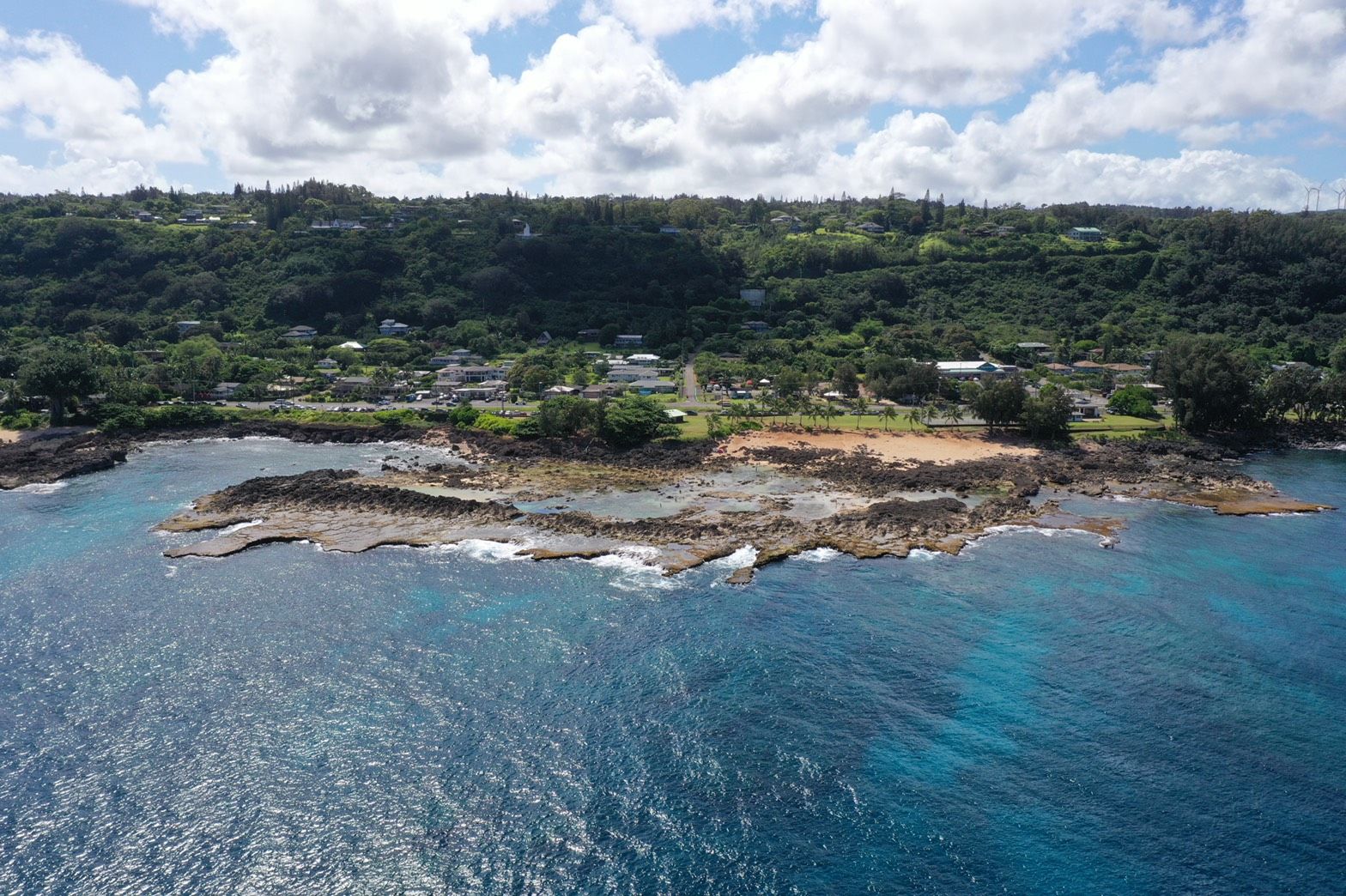
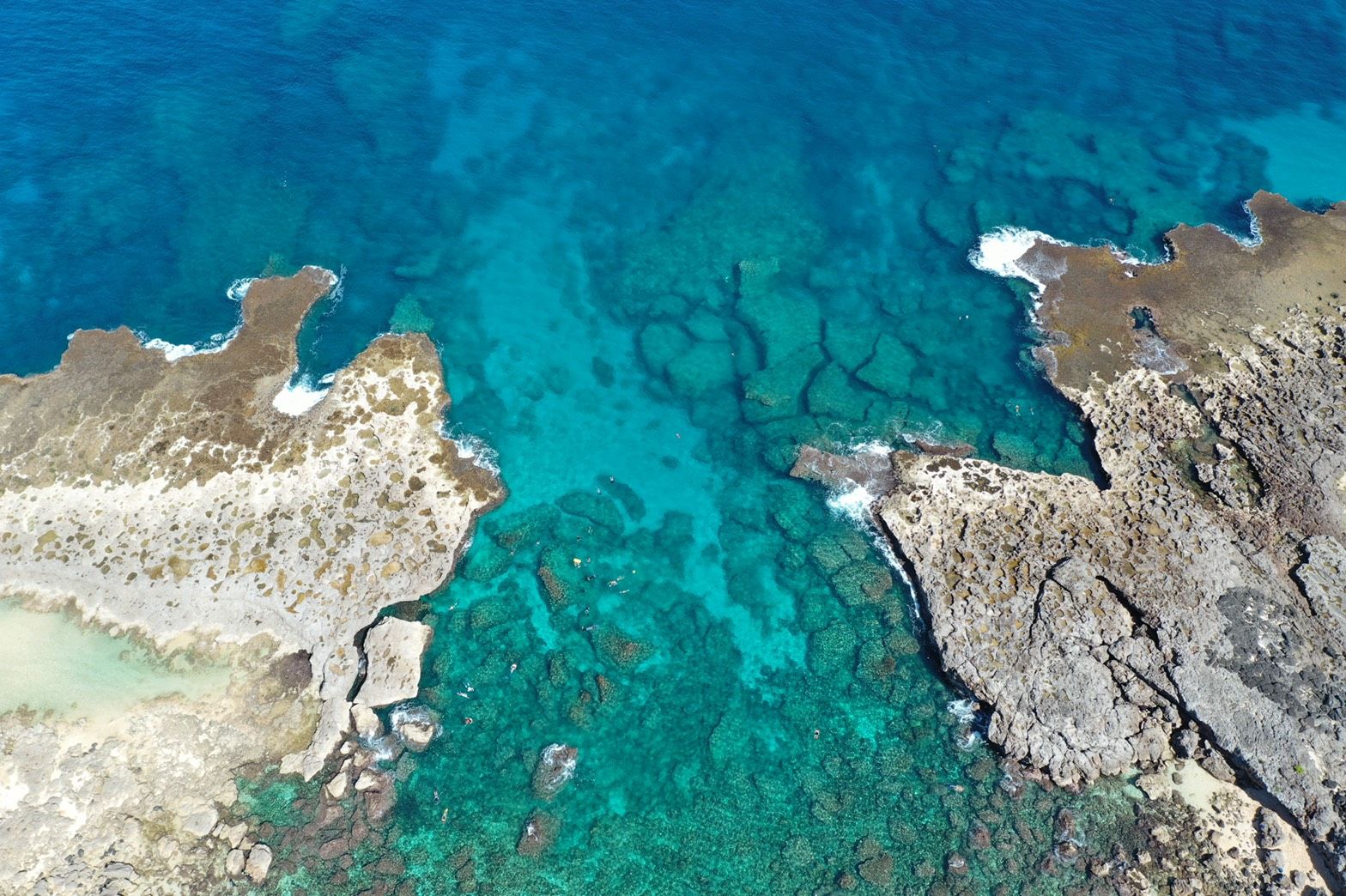
Laniakea Beach, also known as Turtle Beach, is located on the North Shore of Oahu and is famous as a feeding and sunbathing spot for sea turtles (honu). Additionally, this beach is a popular spot for locals for activities such as surfing, snorkeling, and swimming.
Road Conditions at Laniakea Beach
The area around Laniakea Beach often experiences heavy traffic, especially during tourist seasons and weekends, posing a regional issue. The beach is extremely popular with tourists who come to see the sea turtles and with local surfers, making parking difficult. Traffic tends to be heavy on Kamehameha Highway in front of Laniakea Beach, leading to a ban on commercial vehicle parking. Tour buses are also prohibited from stopping to pick up or drop off passengers in front of the beach. To avoid traffic congestion, it is recommended to visit early in the morning or late in the evening.

Recommended Combination: Wildlife North Shore Shuttle and Public Transport (TheBus)
For transportation from Waikiki to Haleiwa, a town near Laniakea Beach, the Wildlife Hawaii North Shore Shuttle is a convenient option. The shuttle departs from Waikiki at 7:30 AM and 11:00 AM and arrives in about 60 minutes.
For access from Haleiwa Town to Laniakea Beach, TheBus Route 60 is recommended. TheBus takes about 10 minutes from Haleiwa Town to Laniakea Beach and operates every 30 minutes. The fare is $2.75.

Enjoy the beautiful nature and the sight of Hawaiian sea turtles at Laniakea Beach.

- Hawaii: The Fortress of the Indo-Pacific and the Economic Heartbeat — The Frontline of “Peace Through Strength”Strategic Role: The Keystone of American Primacy Under the “Peace Through Strength” doctrine of the 2026 National Defense Strategy (NDS), Hawaii is redefined as the ultimate Keystone for ensuring U.S. strategic superiority. It serves as the operational nerve center for U.S. Indo-Pacific Command (INDOPACOM), providing the “strategic depth” necessary to sustain a robust denial defense… Read more: Hawaii: The Fortress of the Indo-Pacific and the Economic Heartbeat — The Frontline of “Peace Through Strength”
- The Price of the Golden Age: How Commercial Whaling and Debt Reshaped Hawaii’s Destiny
 In the early 19th century, the Hawaiian Kingdom underwent a socio-economic metamorphosis that was as rapid as it was irreversible. For centuries, the archipelago had flourished in isolation, governed by a sophisticated system of land management and religious law. This ended with the arrival of the global whaling fleet—maritime “floating cities” that appeared on the… Read more: The Price of the Golden Age: How Commercial Whaling and Debt Reshaped Hawaii’s Destiny
 - From Sacred Stones to Satellite Tracking: The Celestial Evolution of Oʻahu’s Waiʻanae RangeThe Waiʻanae mountain range on the island of Oʻahu serves as a profound chronological bridge, connecting the foundational spiritual practices of ancient Hawaiʻi with the cutting-edge requirements of modern global security. Under the watchful mist of traditional rains like the Līlīlehua, the Nāulu, and the Kiʻowao, this region has transitioned from a sacred “piko” (navel)… Read more: From Sacred Stones to Satellite Tracking: The Celestial Evolution of Oʻahu’s Waiʻanae Range
- Why the Haleiwa McDonald’s Looks Like a Plantation House: 5 Lessons in “Armed” Community ActivismHaleiwa is the “capital” of Oahu’s North Shore—a place where the rhythm of the waves dictates the pace of life and the architecture whispers stories of a vanished sugar era. But this rural charm isn’t an accident of history; it is a hard-won victory. For decades, the community has stared down the threat of “cookie-cutter”… Read more: Why the Haleiwa McDonald’s Looks Like a Plantation House: 5 Lessons in “Armed” Community Activism
- The Evolution of Surf Culture: From “Surf Bums” to Environmental Stewardship and Regenerative Tourism in Hawaii1. The Concept of the “Surf Bum” The term “surf bum” was originally used as a disdainful phrase by non-surfers to describe those who prioritized wave-riding over societal norms, but it was quickly adopted by surfers themselves with a sense of humor, affection, and irony. This lifestyle was famously encapsulated by the character Kahuna in… Read more: The Evolution of Surf Culture: From “Surf Bums” to Environmental Stewardship and Regenerative Tourism in Hawaii