“Wait, that shop I used to love is gone…”
Have you felt that sudden pang of sadness while walking through the streets of Hawaii lately?
The iconic surf brand signs that once defined our dreams of island life are vanishing from Waikiki and Ala Moana, one after another. This isn’t just a simple ebb and flow of the economy; it’s a sign that the “global shifts” we are all experiencing have finally reached Hawaii’s shores.
Why weren’t these beloved brands protected?
Understanding the reality behind these closures gives us a vital clue on how to enjoy—and more importantly, how to preserve—the Hawaii we love moving forward.
While this report contains technical data, I believe it is essential to share these truths with those who care deeply about Hawaii’s “now” and its “future.”
1. Executive Summary
The bankruptcy of Liberated Brands (hereafter “LB”) resulted from a “triple threat” of negative factors: shifting consumer behavior post-pandemic, aggressive monetary tightening (rising interest rates), and the disappearance of the “aspirational consumer” within the mid-range apparel market. Notably, the company’s “asset-light model”—operating via licenses rather than brand ownership—transformed into a fatal liability of fixed royalty obligations during the economic downturn.
2. Financial Transition and Statistical Data
LB’s financial deterioration accelerated immediately following the 2023 acquisition of the master license for Boardriders brands (Quiksilver, Billabong, etc.).
Table 1: Key Financial Indicators (2022–2024 Estimates)
| Metric (in Millions USD) | 2022 (Peak) | 2023 (Transition) | 2024 (Pre-Collapse) | % Change |
| Total Revenue | $422.0 | $395.0 | $340.0 | -19.4% |
| EBITDA | $2.3 | -$4.8 | -$12.5 | -643% |
| Secured Debt | $25.0 | $55.0 | $83.0 | +232% |
| Unpaid Royalties | $2.5 | $18.0 | $50.0 | +1900% |
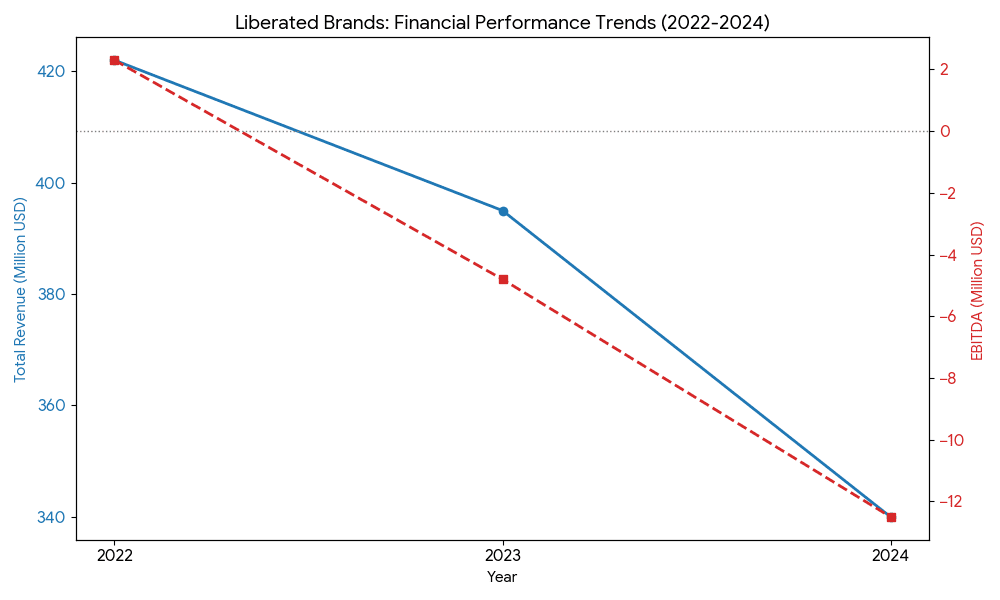
Table 2: Correlation Between Macroeconomic Environment and Purchasing Power
| Period | US Fed Funds Rate | Apparel CPI Increase | Consumer Confidence | Impact |
| 2021-22 | 0.25% | 3.5% | High | Excess consumption fueled by stimulus. |
| 2023 | 5.25% | 4.8% | Declining | Spending suppressed by high housing costs. |
| 2024 | 5.50% | 2.1% (Slowing) | Stagnant | Purchasing power eroded by real wage dips. |
3. Analysis of Strategic Failures
The Evolution of CEO Todd Hymel’s Strategic Decisions
- Pandemic-Era Strategy (2020-2022):
- Judgement: Defined the surge in outdoor and surf demand as a “structural growth” trend.
- Action: Expanded physical retail footprint from 67 to over 140 locations and increased headcount to 1,500.
- Statistical Basis: Relied on data showing a ~20% year-over-year increase in surf participation.
- Post-Pandemic Strategy (2023-2024):
- Judgement: Pursued economies of scale by maximizing the brand portfolio.
- Action: Acquired master licenses for major Boardriders brands (Quiksilver, Billabong, ROXY, RVCA, Element).
- Outcome: Faced immense operational complexity in integrating inventory and marketing for five major global brands simultaneously, leading to an operational collapse.
4. Structural Shifts in Consumer Demographics

The decline of surf brands contrasted with the success of luxury labels illustrates the “K-shaped recovery” under inflationary pressure.
- Surf Brands (Target: Annual Income $75k–$120k):
- This “Aspirational” segment relies heavily on disposable income after mortgage and credit card payments. With interest rates exceeding 5%, monthly debt servicing rose, transforming a $60 T-shirt from a “lifestyle essential” to a “discretionary cut.”
- Luxury Segment (Target: Annual Income $250k+):
- Wealthy consumers saw net worth increases through rising asset prices (stocks/real estate) despite inflation. This group remained price-insensitive, allowing LVMH and Hermès to post record profits.
| Category | Luxury Brands (e.g., LVMH, Hermès) | Surf Brands (Aspirational Mid-Range) |
| Primary Target | Ultra-High Net Worth (UHNW) | Aspirational Middle Class |
| Avg. Household Income | $250,000+ | $75,000 – $120,000 |
| Core Value Proposition | Asset Value & Status (Timelessness) | Lifestyle & Utility (Disposable Fashion) |
| Inflation Resilience | Very High: Customers are less sensitive to price hikes. | Low: Directly competes with essential costs like rent and food. |
| Interest Rate Impact | Minimal: Purchases often funded by wealth/assets. | Severe: High reliance on credit cards and financing. |
| Market Substitutability | Non-existent: No direct alternative to a Birkin or Submariner. | High: Easily replaced by Fast Fashion (SHEIN, Zara) or Generic labels. |
| Business Model | Vertical Integration: Full control over supply and retail. | License-Dependent: Heavy royalty fees and external debt. |
The “Aspirational Gap” in an Inflationary Economy
The collapse of Liberated Brands serves as a textbook example of the “hollowing out” of the middle market.
- Asset-Rich vs. Income-Dependent: During the 2023-2024 inflationary cycle, wealthy individuals benefited from rising asset prices (stocks and real estate), maintaining their purchasing power for luxury goods. In contrast, the mid-income “Aspirational” consumer—the backbone of the surf industry—saw their real wages decline as housing and debt servicing costs (mortgages, auto loans) surged.
- Psychology of the Purchase: For a luxury consumer, a purchase is an investment. For a surf consumer, it is discretionary leisure spending. When the cost of living spikes, the “leisure” budget is the first to be eliminated.
- The Rise of “Dupe” Culture: As surf brands raised prices to cover rising logistics and royalty costs, they inadvertently pushed their customers toward high-quality, low-cost alternatives. The emotional connection to the brand was not strong enough to overcome a 20% increase in price for a basic cotton T-shirt.
5. Economic Impact on Hawaii
Hawaii was one of LB’s most critical markets, yet it faced a significant shift in tourist and local purchasing behavior.
- Store Closures: Over 20 locations shuttered, including prime spots in Ala Moana, Waikiki, and across Maui.
- The Case of Honolua Surf Co.: Despite being a brand deeply rooted in the local community, it was subjected to blanket liquidation due to the parent company’s liquidity crisis, even for historically profitable locations.
From Masahito Identity to Personal Connection
Perhaps we are moving away from the era of “corporate unity,” where everyone wore the same mass-produced logos. We are shifting toward a time that values your unique, personal experience and a deeper gratitude for the gifts of nature. As the big signs fade, the true, authentic Hawaii begins to shine through.
References :
Authentic Brands Group. (2024). Annual report on licensing partnerships and brand acquisition: Boardriders transition. [Internal Report Summary].
Bureau of Labor Statistics. (2025). Consumer Price Index – All Urban Consumers (Current Series): Apparel and Discretionary Goods. U.S. Department of Labor.
Hymel, T. (2024). CEO Statement on Operational Restructuring and Strategic Shift. Liberated Brands LLC Press Office.
Reuters. (2025, February 21). Liberated Brands files for Chapter 11 as surf retail faces post-pandemic slump. Reuters Business News.
Surf Industry Members Association (SIMA). (2024). 2023-2024 Market Size Study: The shifting demographics of surf apparel.
United States Bankruptcy Court for the District of Delaware. (2025). In re: Liberated Brands, LLC, et al. Case No. 25-XXXXX (Petition for Relief under Chapter 11).
#HawaiiRealEstate #HawaiiEconomy #SustainableHawaii #SurfCulture #WildlifeHawaii #HonoluluLife