Introduction
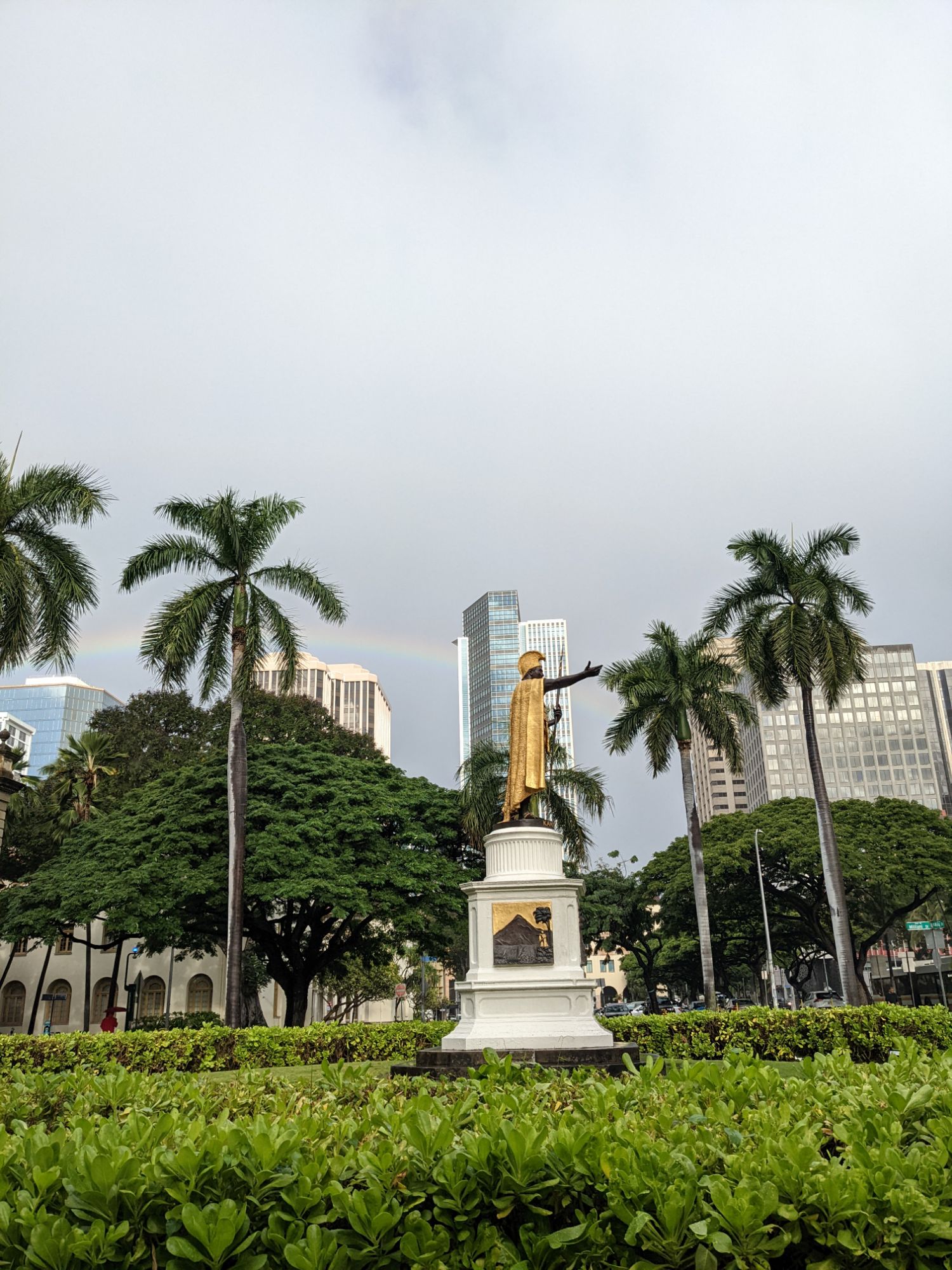
The towering palm trees and vibrant shower trees that define Honolulu’s skyline are more than just natural beauty—they are the result of over a century of meticulous urban planning. For those of us living and working in Hawaii, these “street trees” provide essential shade and character. Understanding their history reveals a long-standing commitment to balancing urban development with environmental stewardship.

1. The Roots of Civic Advocacy: The Outdoor Circle
The formal greening of Honolulu began not with a government mandate, but with a grassroots movement. In 1912, a group of visionary women founded The Outdoor Circle. Their mission was to preserve Hawaii’s natural beauty by campaigning against billboard blight and advocating for organized tree planting.
Their persistence led to a pivotal moment in 1922: the establishment of the Shade Tree Commission by the City and County of Honolulu. This commission served as the precursor to today’s Urban Forestry Division, marking the transition from informal planting to professional municipal management.
2. Evolution of Selection: From Shade to Iconography
While palm trees are now the international symbol of Hawaii, early urban planners prioritized “Shade Trees” to mitigate the tropical heat.
- The Early to Mid-20th Century: Species like the Monkeypod and various Shower Trees were planted extensively to create “green corridors” that cooled the city’s streets.
- The Late 20th Century (1970s–Present): Under the leadership of Mayor Frank Fasi and subsequent administrations, the focus expanded to include “landscape branding.” Palms were strategically placed to enhance the tropical aesthetic for the burgeoning tourism industry, creating the iconic vistas we see today in Waikiki and beyond.
3. Towards a Sustainable Future: The 35% Goal
Today, Honolulu’s street trees are recognized as vital “green infrastructure.” The city’s current Urban Forest Plan sets an ambitious goal: increasing the urban tree canopy to 35% by the year 2035. This strategy is a direct response to climate change, aiming to reduce the urban heat island effect and improve air quality. Every palm tree along our commute is a living testament to a 100-year-old legacy of urban resilience.
References (APA Style)
- City and County of Honolulu, Department of Parks and Recreation. (n.d.). Urban Forestry Division. https://www.honolulu.gov/parks/hbg/urban-forestry.html
- The Outdoor Circle. (n.d.). Our history: Over 100 years of keeping Hawaii clean, green, and beautiful. https://www.outdoorcircle.org/history.html
- Wiebke, M. (2022, November 17). The greening of Honolulu: The Outdoor Circle’s legacy. Historic Hawaii Foundation. https://historichawaii.org/2022/11/17/the-greening-of-honolulu/
Reflections: The Soul of our Scenery and a Looming Threat
The Legacy of the Canopy There is something deeply grounding about the massive trunks and all-encompassing canopies of our Monkeypod trees. Combined with the rhythmic swaying of the coconut palms against the horizon, you can truly feel the vision and devotion of the generations who planned this city a century ago. The vast expanse of the blue sky and sea, framed by these iconic palms—this is the scenery that heals me every day.
A Landscape in Peril: The Coconut Rhinoceros Beetle However, these palms—so indispensable to the identity of Hawaii’s streets—are now facing an existential crisis. An invasive species known as the Coconut Rhinoceros Beetle (CRB) is ravaging our trees, leaving behind a trail of destruction that threatens to alter our landscape forever.
If we are to preserve the beauty that our predecessors worked so hard to establish, we must confront this environmental challenge head-on. In my next post, I will delve deeper into the impact of this invasive threat and what it means for the future of our islands.