Hawaii’s Regional Divisions and Municipalities
When I first visited Hawaii, I had no idea which island or town I was in. I had heard of Honolulu, but I didn’t know which island it was on, and I had no clue where Waikiki was. I knew Hawaii was in the middle of the Pacific Ocean, but the existence of a place called “Hawaii Island” added to my confusion.

Living here, I came to understand that “Hawaii” refers to the state of Hawaii, which comprises several major islands. Honolulu is a city on the island of Oahu, and it’s officially known as the City and County of Honolulu.

The state of Hawaii consists of 137 islands, but the eight main islands are Niihau, Kauai, Oahu, Molokai, Lanai, Kahoolawe, Maui, and Hawaii (also known as the Big Island). Each of these islands has its own unique attractions.

For example, Hawaii County is located on Hawaii Island. This island is called the “Big Island” because it’s the largest in the state. According to the 2010 census, Hawaii County has a population of approximately 185,079, with Hilo as the county seat. The Big Island is known for its active volcanoes and dynamic natural landscapes.

On the other hand, Kauai County comprises Kauai, Niihau, Lehua, and Kaula islands. Kauai is known as the “Garden Island” due to its lush natural scenery. The 2010 census reported that Kauai County had a population of about 67,091, with Lihue as the county seat.

Maui County consists of Maui, Kahoolawe, Lanai, Molokai, and Molokini islands. Maui Island is particularly popular as a tourist destination, boasting beautiful beaches and resorts. According to the 2010 census, Maui County had a population of approximately 154,834.
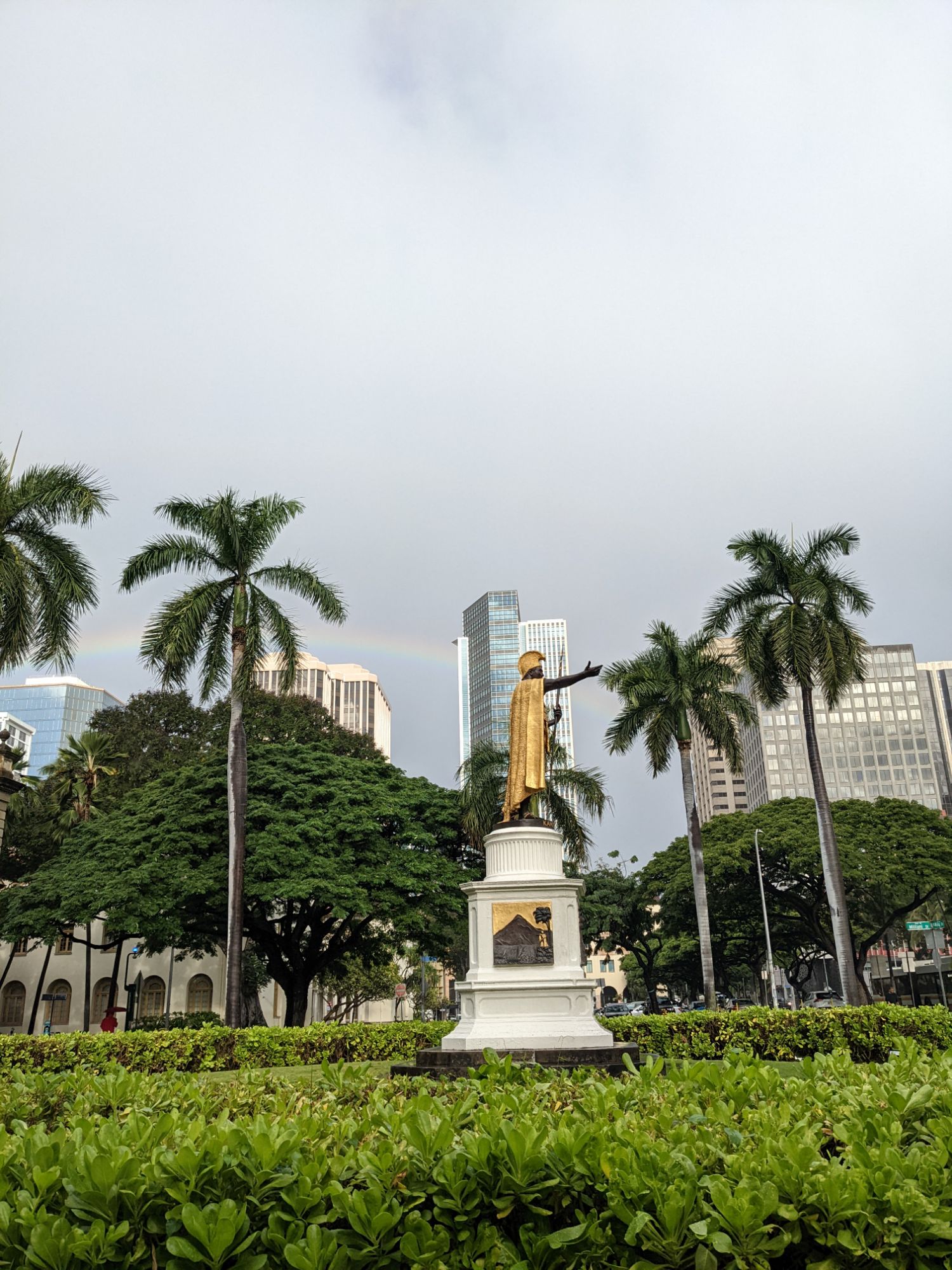
Finally, Honolulu County is made up of Oahu and several small islands to the northwest. The City and County of Honolulu is the only incorporated municipality in the state, with a population of around 1,016,508 as of 2020. Honolulu, the state capital, is home to famous attractions like Waikiki and Diamond Head.
Having learned this information, I now appreciate how diverse and fascinating Hawaii is. Each island and town has its own unique history and culture, offering new discoveries with every visit. I hope this guide helps first-time visitors understand Hawaii better and enhances their travel experience.

- Discovering Puʻu o Mahuka Heiau: The Secrets of North Shore’s Sacred Stones
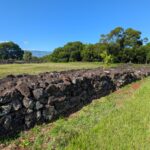
 Perched high on a rocky promontory in Pūpūkea, overlooking the sweeping expanse of Oʻahu’s famous Waimea Bay and Waimea Valley, sits Puʻu o Mahuka Heiau. Spanning roughly 8,000 square feet, it is one of the island’s most prominent and culturally significant sacred stone monuments. Beyond its breathtaking panoramic views, this massive complex tells an extraordinary… Read more: Discovering Puʻu o Mahuka Heiau: The Secrets of North Shore’s Sacred Stones
- The 19th-Century Whaling Industry: The Original Venture Capital ModelDid you know that the structural playbook of modern venture capital (VC) wasn’t invented in Silicon Valley in the 20th century? Its true historical archetype emerged over two hundred years ago in the high-stakes, dangerous world of 19th-century American deep-sea whaling. Here is how brave mariners, wealthy investors, and financial innovators built a high-risk, high-return… Read more: The 19th-Century Whaling Industry: The Original Venture Capital Model
- Guided by Stars and Swells: Where Did Polynesians Come From and How Did They Reach Hawaii?Introduction Isolated in the vast expanse of the Pacific Ocean, the Hawaiian Islands are among the most remote landmasses on Earth. How ancient voyagers reached these islands without modern navigational instruments remains one of the most remarkable human achievements. Far from being accidental castaways, these early navigators completed planned long-distance migrations across the ocean using… Read more: Guided by Stars and Swells: Where Did Polynesians Come From and How Did They Reach Hawaii?
- Beyond the Stones: The Sacred Art and Architectural History of Hawaiian PōhakuWhen visiting Hawaiʻi, travelers often admire the majestic black lava walls, intricate stone fishponds, and historic coral churches. In traditional Hawaiian culture, stone—known as pōhaku—is far more than a physical building material; it is a vital connection to history, community, and the sacred spiritual power known as mana. 1. The Spiritual and Daily Lifeline of… Read more: Beyond the Stones: The Sacred Art and Architectural History of Hawaiian Pōhaku
- The Remarkable Achievements of Captain James Cook: The Navigator Who Mapped the PacificCaptain James Cook (1728–1779) was a British navigator, explorer, and cartographer who brought the Great Age of Discovery to its grand finale. Through his three landmark voyages across the Pacific Ocean, Cook didn’t just explore the world—he revolutionized geography, navigation, and maritime science. Here is a look at the major achievements that cemented his legacy… Read more: The Remarkable Achievements of Captain James Cook: The Navigator Who Mapped the Pacific