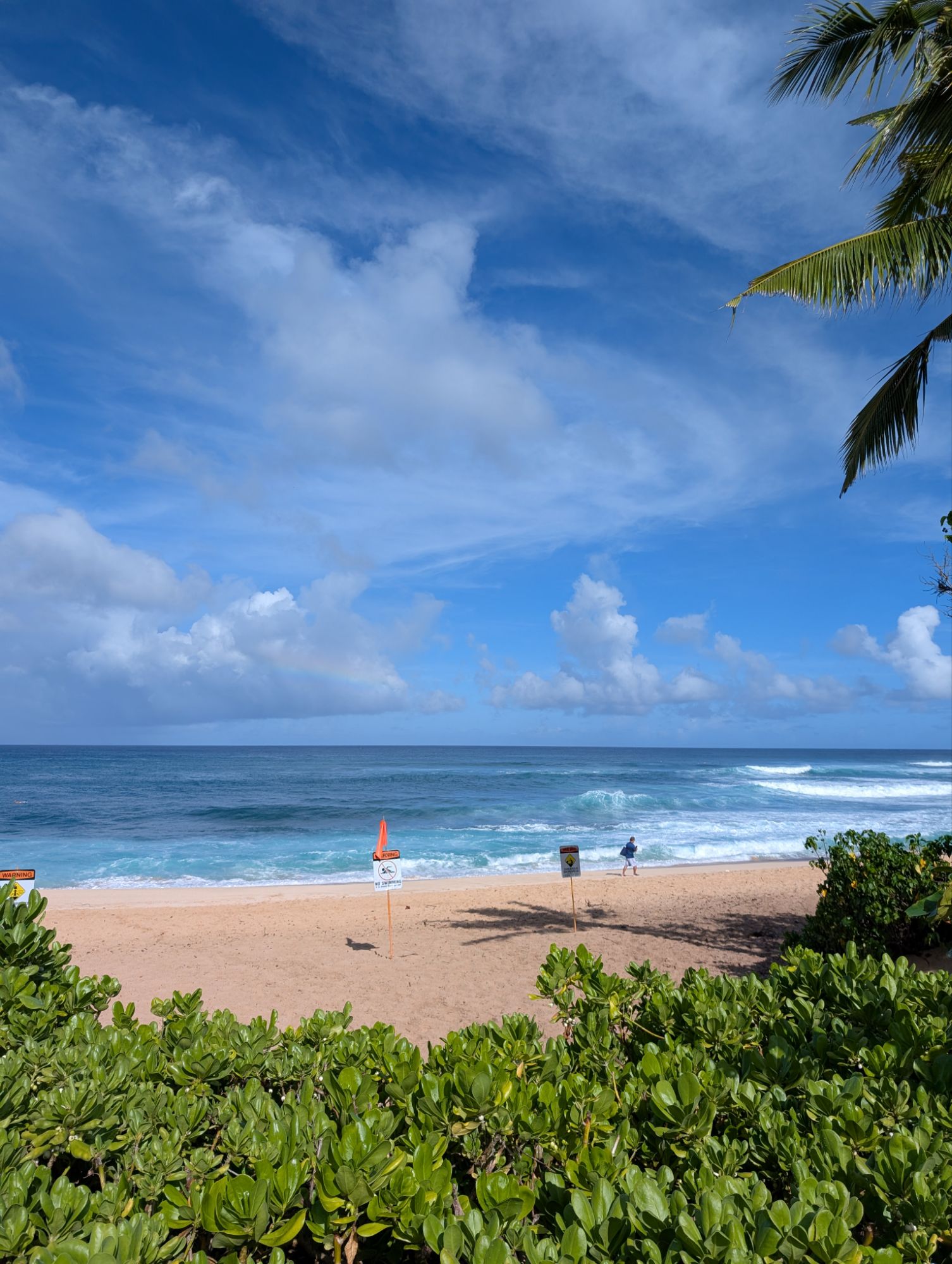
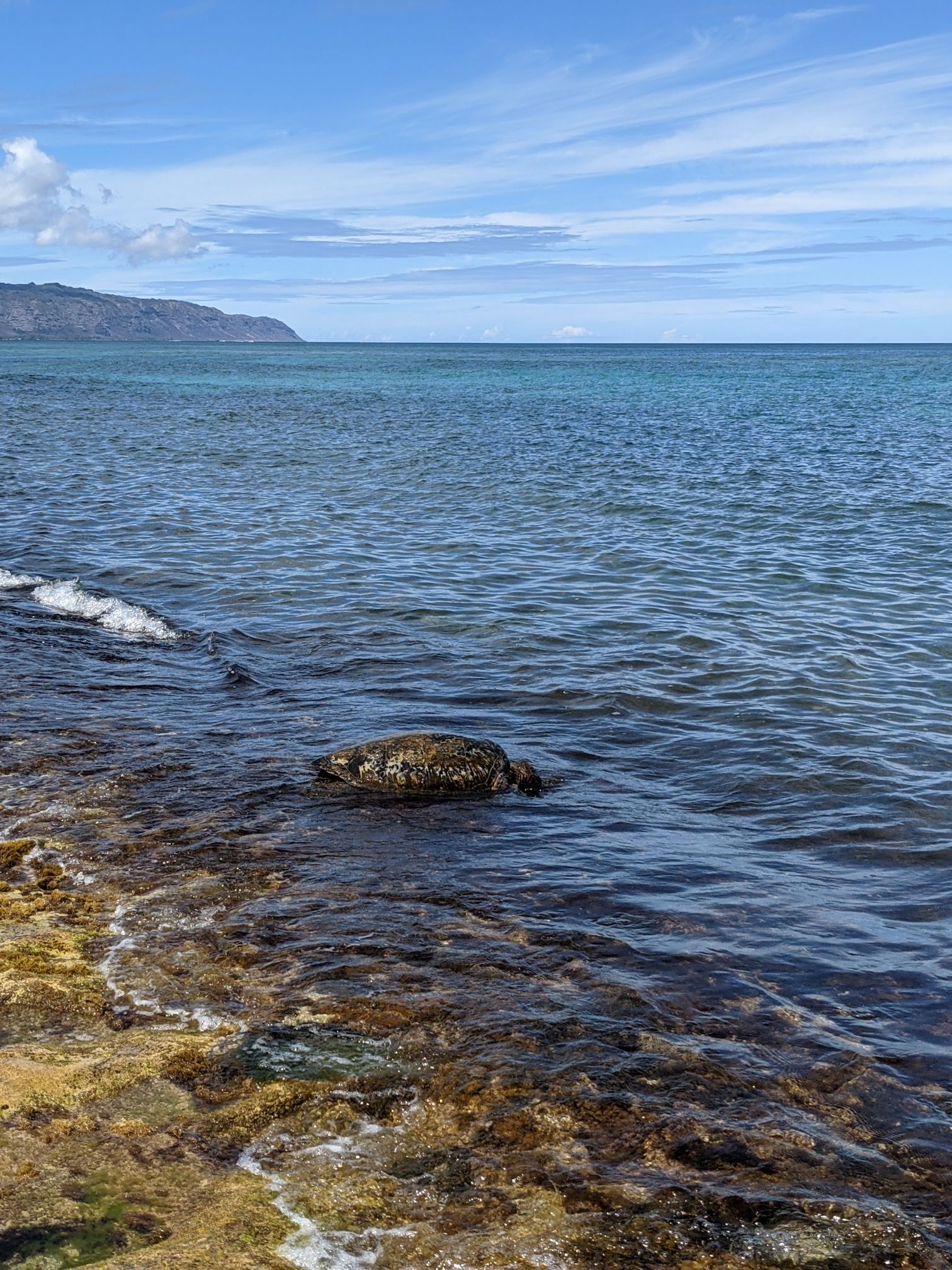
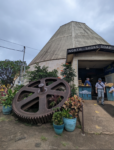
Haleiwa is the “capital” of Oahu’s North Shore—a place where the rhythm of the waves dictates the pace of life and the architecture whispers stories of a vanished sugar era. But this rural charm isn’t an accident of history; it is a hard-won victory. For decades, the community has stared down the threat of “cookie-cutter” mainland development that treats unique cultural landscapes as interchangeable assets.
The movement found its soul through a specific, devastating heartbreak: the 1983 demolition of the historic Haleiwa Theater. As the wrecking ball swung, the community realized that reactive grief was a losing strategy. To save what remained, they had to move beyond protest. They had to “arm” themselves with the very tools used by developers—law, technical planning, and architectural precision—to turn cultural sentiment into enforceable mandate.
1. Stop Protesting, Start Engineering: The Era of Technical Insurgency
The success of the “Friends of Haleiwa” offers a masterclass in what I call Technical Insurgency. For too long, community activism has been defined by the word “No.” But “No” is not a plan; it is a delay tactic. The activists in Haleiwa realized that if they wanted to stop the erosion of their town, they needed to hire the people who understood the machinery of the city: architects and urban planners.
By bringing their own experts to the table, the community shifted the power dynamic. They stopped shouting at city officials and started providing them with the technical counter-strategies necessary to codify their vision.
The victory in Haleiwa was not just in stopping a building; it was in the successful translation of the “feeling of keeping the country country” into a technical vision that the Land Use Ordinance could finally recognize.
2. The McDonald’s Paradox: Forcing Global Brands to Go Local
Nowhere is this technical victory more visible than the “McDonald’s Battle.” Typically, global brands export a sterile, universal aesthetic—red plastic and yellow arches that look the same in Des Moines as they do in Tokyo. In Haleiwa, the brand was forced to bend to the town, not the other way around.
Because the community had already established the Haleiwa Special District Design Guidelines, the global giant was legally bound to a different set of rules. The result is a paradox: a McDonald’s built with wood-grain concrete, sloped roofs, and boardwalk aesthetics. This is the ultimate proof that branding can co-exist with heritage. When a community establishes legally backed design standards, it shifts from a position of begging for concessions to a position of demanding compliance.
3. Legalizing Aesthetics: The Power of Article 9
To prevent development loopholes, the “vibe” of Haleiwa had to be written into the Honolulu Land Use Ordinance (LUO). This was achieved through Article 9 (Special District Regulations). Preservation is toothless without the force of law, and Article 9 provides the teeth.
By codifying “Plantation Style,” the community established specific requirements that go far beyond aesthetic suggestions:
- The 30-Foot Scale: A strict height limit ensures that no new structure can tower over the existing small-town fabric.
- Volumetric Design: Mandates for sloped roofs prevent the “boxiness” associated with modern commercial construction.
- Pedestrian Connectivity: Requirements for wooden porches (lanai) encourage a streetscape designed for people, not just cars.
- Material Authenticity: Specific mandates for the use of coral, lava rock, and corrugated metal—the literal building blocks of the plantation era.
4. From Preservation to Population: Solving the “Monster Home” Crisis
As an urban strategist, I must be clear: preservation cannot be a shield against progress. While Haleiwa has mastered the preservation of its facade, the broader island is facing a catastrophic housing shortage. Data from the Honolulu LUO Update Phase 1 Report is staggering: 75% of extremely low-income households in Hawaii pay more than half of their income in rent.
The traditional “preservationist” instinct often fights density, but this has led to a dangerous unintended consequence: the “Monster Home.” When the code doesn’t allow for elegant density, developers build bulky, out-of-scale structures to maximize profit. The solution lies in the “Missing Middle.”
To preserve the plantation character of Hawaii while housing its people, we must advocate for the up-zoning of neighborhoods and the expansion of Mixed-Use district boundaries. Specifically, the LUO Update recommends:
- Accessory Dwelling Units (ADUs): Allowing ADUs on lots as small as 3,500 square feet and increasing the maximum size to 1,000 square feet for larger lots.
- Micro-Units and Cottage Clusters: These models provide the density of an apartment building while maintaining the “plantation” scale of a single-family home.
If we don’t allow people to build ADUs, the “Monster Home” will continue to consume our historic aesthetics.
5. Climate Resiliency: The Ultimate Form of Preservation
A community is not preserved if it is underwater. The 2017 Hawaii Sea Level Rise Vulnerability and Adaptation Report projects a 3.2-foot rise in sea levels, a reality that threatens to erase the very coastal assets we strive to protect. Heritage protection must now be synonymous with climate adaptation.
The LUO is evolving to meet this challenge by incorporating Sea Level Rise (SLR) and flood protection directly into zoning districts. This isn’t just about moving inland; it’s about the technical evolution of our buildings. For example, the new recommendations propose a 12-foot height extension above the standard height limit for energy-saving devices on rooftops.
This is a critical pivot. We are no longer just preserving the materials of 1920; we are incentivizing “solar-ready” buildings to meet Hawaii’s goal of 100% renewable energy by 2045. A resilient, solar-powered plantation house is not a betrayal of the past—it is the only way to ensure that the past has a future.
Conclusion: A Living Business District, Not a Museum
The “Haleiwa legacy” demonstrates that a community can transition from a dying sugar town to a vibrant “living business district” without losing its soul. It proves that the most powerful tool for the future is a technical understanding of our past.
As we look toward the next iteration of our Land Use Ordinance, we must ask ourselves: In our rush toward progress, have we forgotten that the most powerful tool for the future is a technical understanding of our past?


Haleiwa
North Shore Oahu


——————————————————————————–
References
- City and County of Honolulu Department of Planning and Permitting. (2019). Final LUO Update Phase 1 Recommendations Report. Prepared by R. M. Towill Corporation.
- City and County of Honolulu. (2018). Revised Ordinances of Honolulu Chapter 21, Land Use Ordinance.
- Hawaii Appleseed Center for Law and Economic Justice. (2014). Hawaii’s Affordable Housing Crisis – The High Cost of Our Affordable Housing Shortfall.
- State of Hawaii. (2017). Hawaii Sea Level Rise Vulnerability and Adaptation Report.
Reflections : A Place to Return: Finding Our Roots Amidst a Changing Landscape
With Oahu’s population surpassing one million, the island’s landscape is being transformed at an unprecedented pace—from the redevelopment of Kaka’ako and Ala Moana to the opening of the Skyline. In our modern society, it is often the norm for the functional and new to rise, while the old fades away in the name of efficiency.
However, as I leave the bustle of Waikiki behind with my guests and head toward the North Shore, a different sense of time begins to flow outside the window. Across the vast pineapple fields, through the streets of Haleiwa that still bear the hallmarks of the plantation era, and past the old sugar mill in Waialua, Hawaii’s true identity remains vibrantly alive.
There are moments in life when we lose our way and find ourselves asking: “Where did we come from, and where are we going?” In those difficult times, these nostalgic vistas offer us courage. They stand as a testament to the ancestors who overcame countless hardships and cultivated this land in search of happiness. The scenery of Haleiwa quietly reminds us of who we truly are.